AI web search and research
Another useful application area is AI-powered web search and research assistants. They help companies find information from the internet much faster, more systematically, and more purposefully than with a traditional manual search.
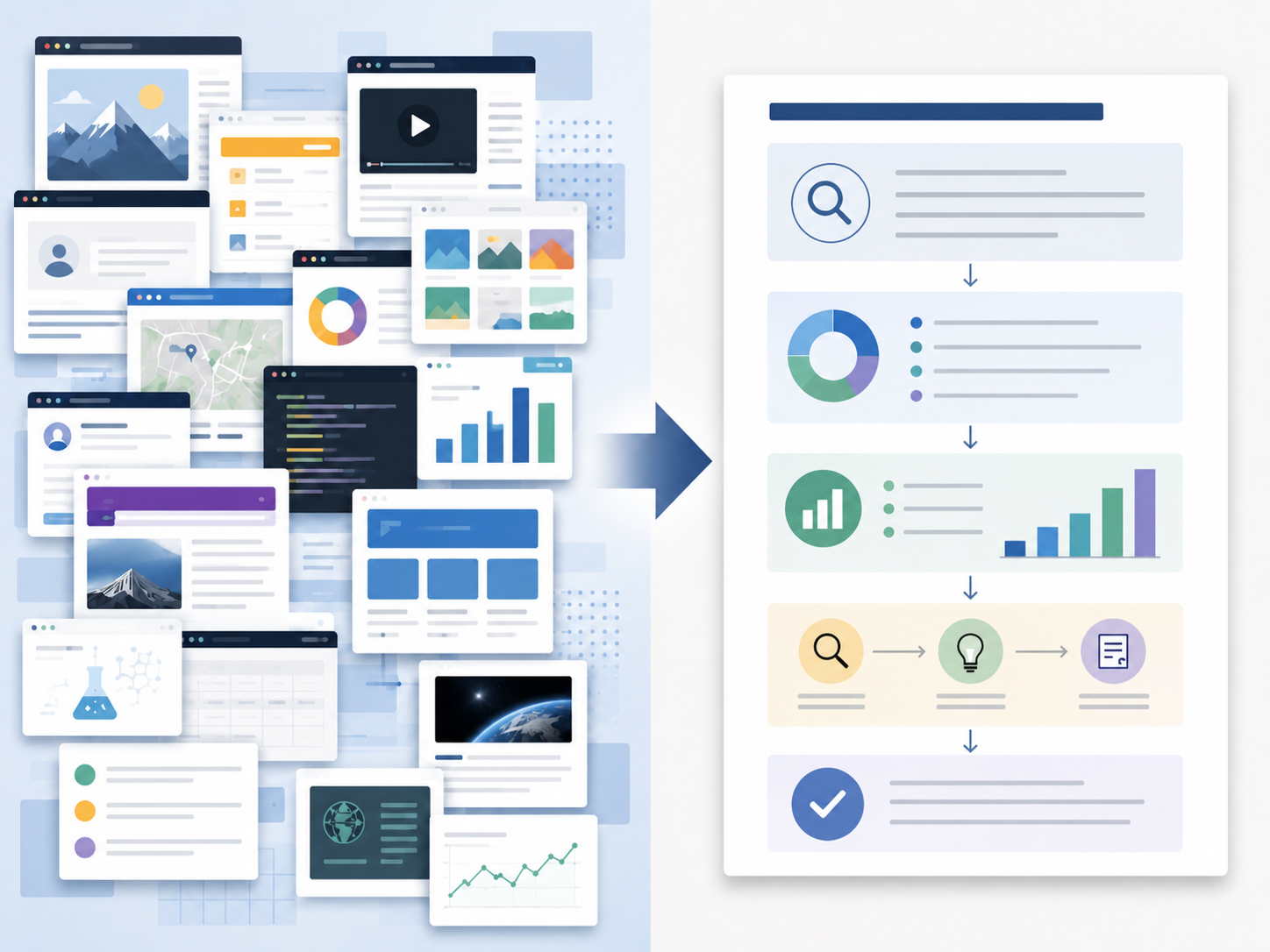
Ordinary internet searches are usually carried out via individual search providers such as Google. Users enter a search query, review the displayed results, open various websites, adjust their search terms several times, and then try to compile the relevant information from many individual sources. This process is often time-consuming, confusing, and heavily dependent on how well the original search query was formulated.
An AI web search assistant goes much further here. The user merely describes the research goal in natural language. The assistant independently develops several suitable search strategies from this, reformulates search queries sensibly, adds missing terms, and examines the topic from different perspectives. In doing so, it can use various search providers, source types, and information paths and carry out several research tasks in parallel.
The results found are then not output unfiltered. The assistant reviews the information, assesses its relevance, identifies repetitions, filters out irrelevant hits, and summarizes the essential content in a structured way. As a result, users receive not just a list of links, but a directly usable research analysis with clearly organized results, key statements, and, if desired, source references.
In this way, research that previously required a lot of time and manual review can be prepared within a short period. This is particularly helpful when searching for products, services, providers, locations, competitors, market information, technical information, or general background information. For example, the assistant can compare product alternatives, research service providers, evaluate locations, compile publicly available information about companies, or prepare specialist topics for internal decisions.
A particular added value arises from the fact that the research process becomes repeatable and systematizable. Companies can define which criteria to search by, which sources to prefer, which information to output, and how results should be structured. Research results can thus be output, for example, as comparison tables, summaries, decision-making bases, market overviews, supplier lists, or short management briefings.
The AI web search assistant relieves employees especially in recurring research tasks. Instead of manually formulating many search queries, checking websites one by one, and summarizing information by hand, the assistant automates large parts of this process. Employees can therefore focus more strongly on evaluating, selecting, and reusing the results.
At the same time, the research remains traceable. Relevant sources can be specified, intermediate results documented, and assumptions disclosed. This makes it possible to review results, pass them on internally, and use them for further work steps.
An AI-powered web search assistant thus makes internet research faster, more structured, and more usable. It combines the breadth of traditional internet searches with the ability to vary search queries intelligently, filter results, and present information in an understandable way. This turns a simple question into a well-founded research basis that can be used directly in day-to-day work.

Visual Inspection Support
Do you still inspect products manually during final inspections? Are all intended parts installed correctly? Have all required components been fitted? Is the packaging filled correctly? Do colors, versions, and visible details meet the requirements? And are there minor damages, inconsistencies, or anomalies that can easily be overlooked in the rush of a final inspection? […]
Plausibility checks and intelligent verification
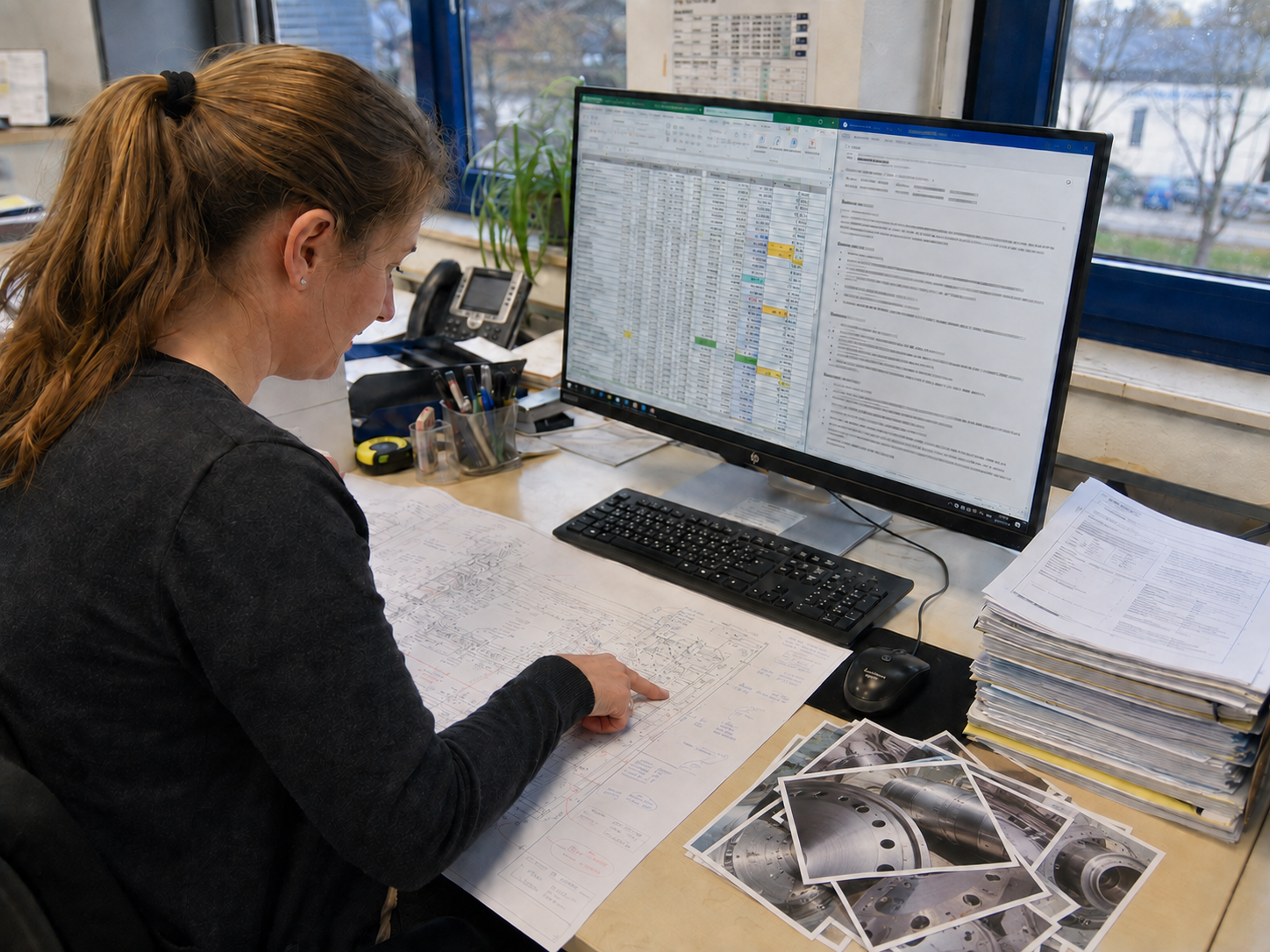
Are you still manually checking various documents for logical consistency and accurate information transfer? Do the quantities in a plan match the order? Has a change also been taken into account in subsequent documents? Does the number of accessories match the intended main components? Do the details in contracts, expert reports, or minutes correspond to […]

Digital twin
A digital twin is far more than a digital representation of a product, machine, building, or process. It combines information from different sources into an intelligently usable knowledge model. Documents, technical data, images, drawings, measurements, maintenance information, processes, and experience can be assigned to a real object or situation and linked together. This creates a […]
AI training: learning when it really suits you
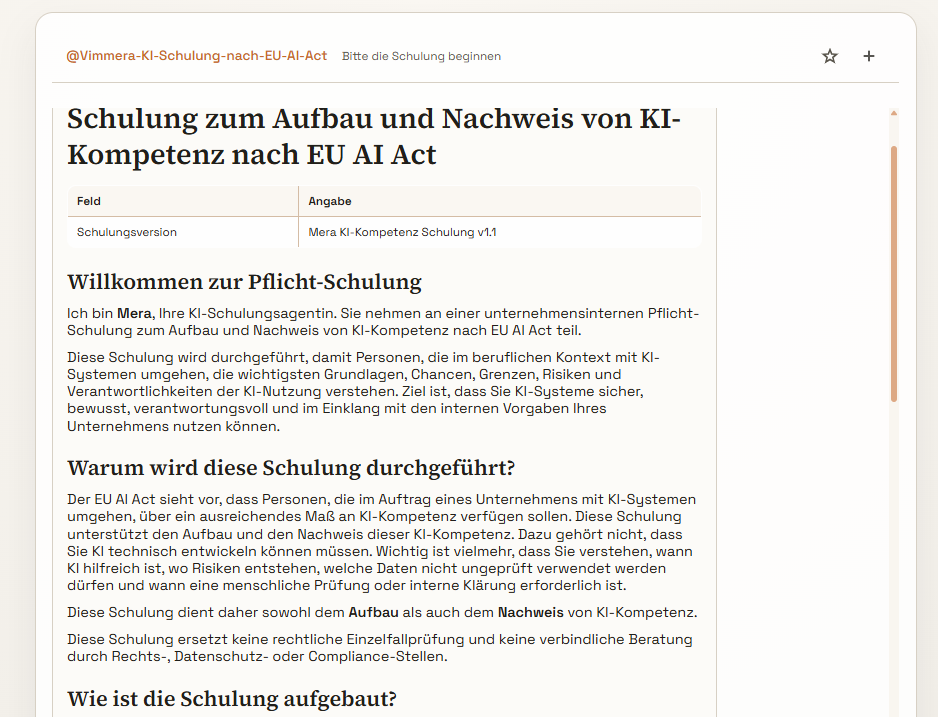
Training is important. At the same time, it is often difficult to organize in day-to-day business. Dates have to be coordinated, employees are not always available at the same time, content is understood at different speeds, and follow-up questions often only arise later in the work process. With AI-supported training, continuing education becomes much more […]
Technical planning
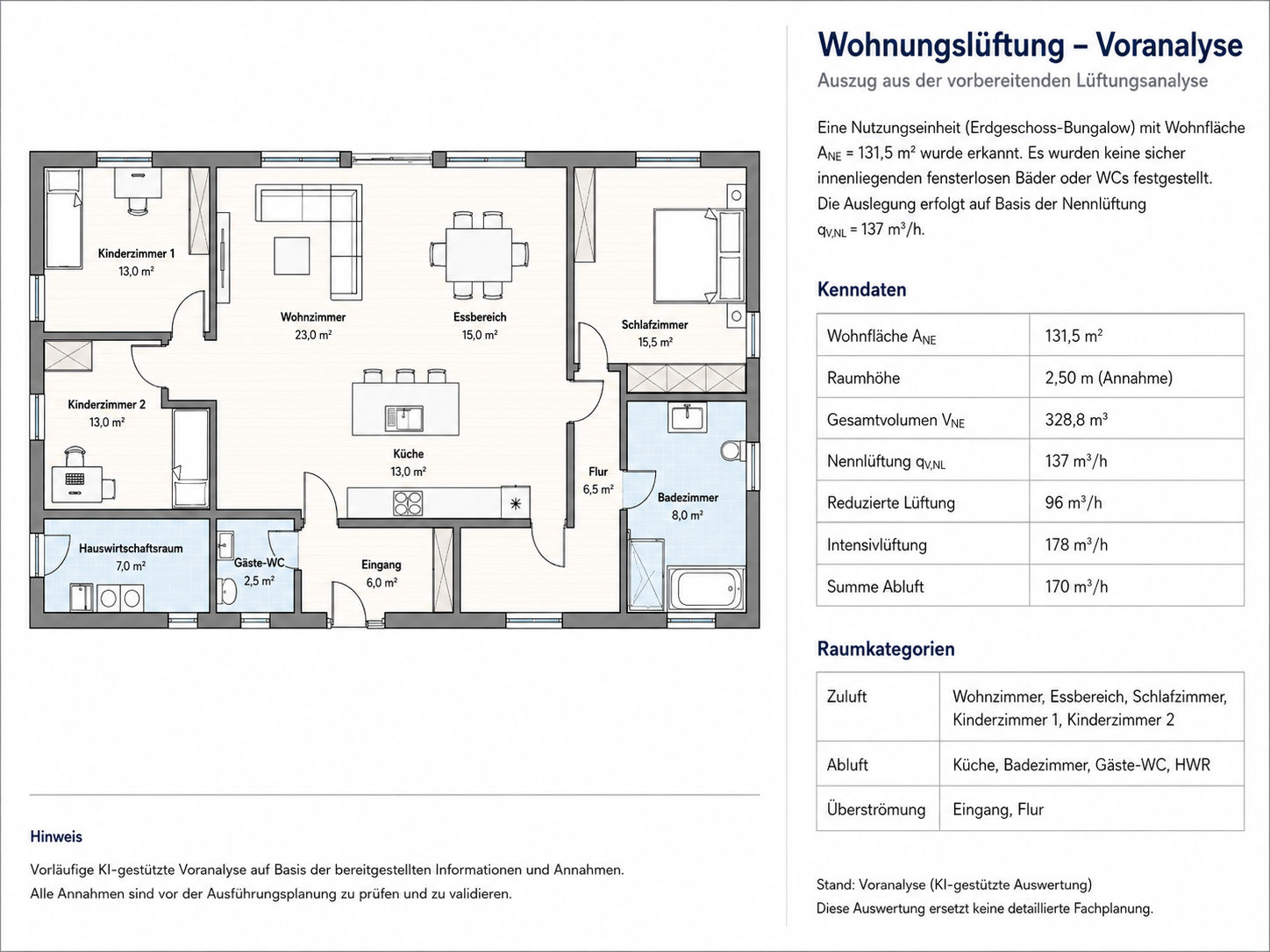
The introduction of an AI-powered planning assistant for residential ventilation units makes it possible to carry out technical calculations and planning processes in residential construction much more efficiently, in a more structured way, and with greater traceability. The goal is to digitally support the entire planning workflow, from the initial floor plan recognition through the […]

Personal AI assistants
Another special use case are personal AI assistants for individual people within the company. These are individually customized AI agents that not only support general tasks, but can be specifically tailored to a particular person’s way of working, areas of responsibility, and communication style. Such a personal assistant can access approved company knowledge, for example […]
AI web search and research
Another useful application area is AI-powered web search and research assistants. They help companies find information from the internet much faster, more systematically, and more purposefully than with a traditional manual search. Ordinary internet searches are usually carried out via individual search providers such as Google. Users enter a search query, review the displayed results, […]
Translation tools
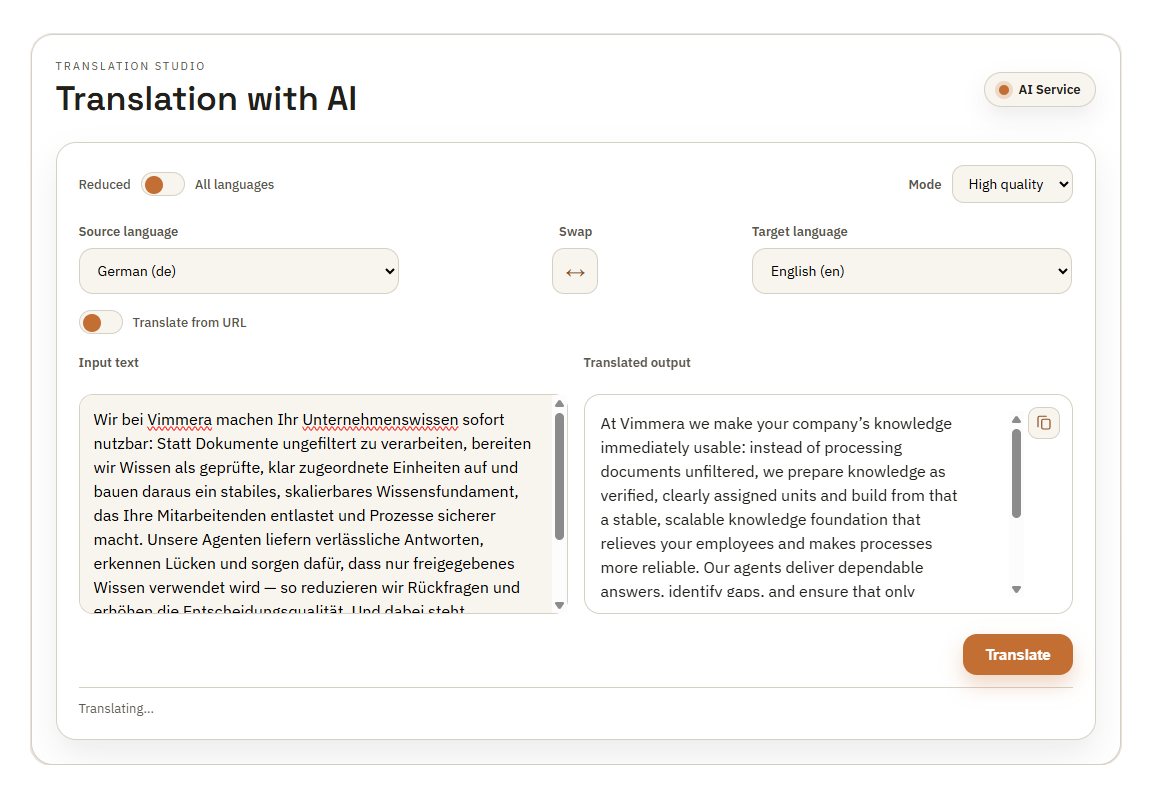
Today, almost any tool can translate texts into other languages. The real difference becomes apparent, however, when content needs to be technically accurate, linguistically natural, and truly usable in a business context. This is exactly where our translation tools come in. Our solution does not just translate any texts, documents, meetings, and conversational content into […]
Speech to text
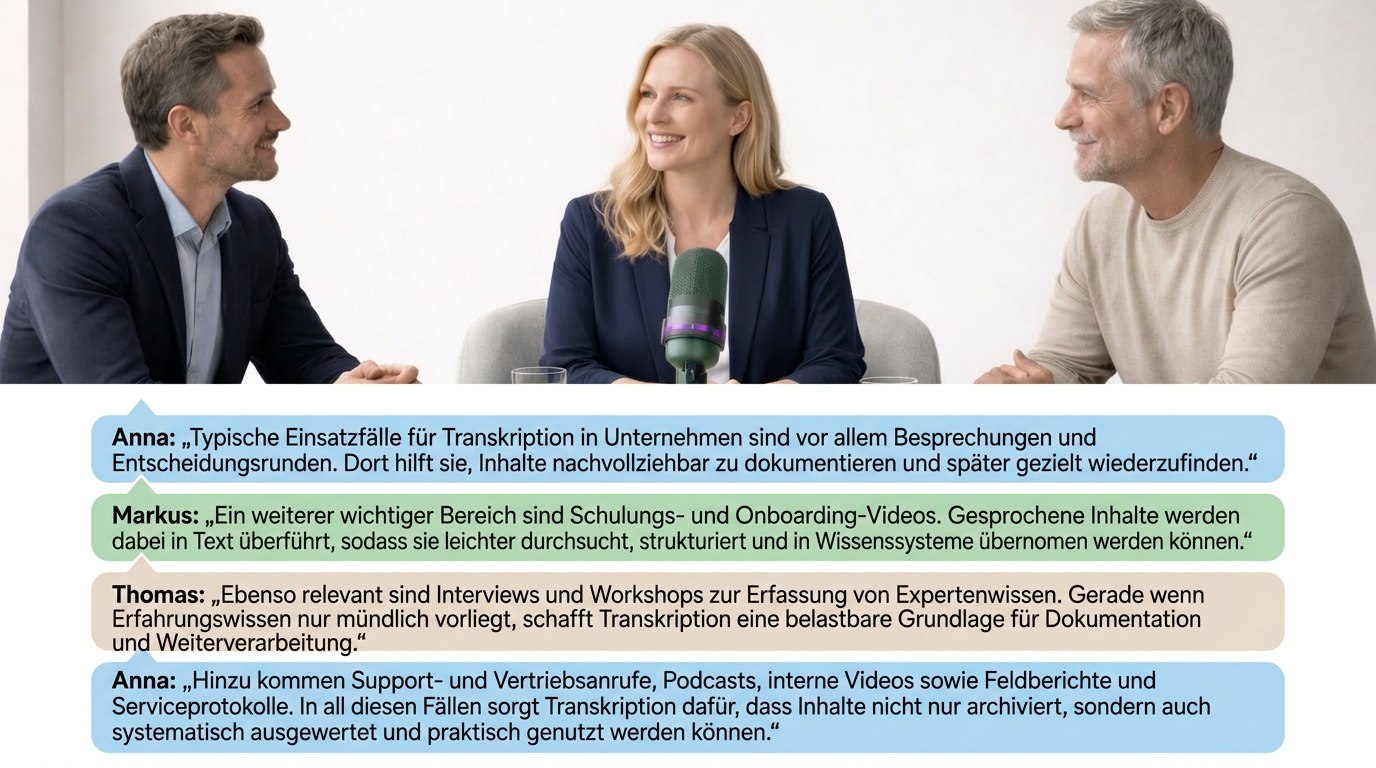
Converting speech into text is technically no longer a feat today. Transcribing conversations, voice notes, or meetings has almost become standard by now. The real difference therefore lies not in merely writing things down, but in understanding, structuring, assigning, and intelligently processing the content further. In addition, many solutions quickly reach their limits in practice: […]
Chatbots for businesses
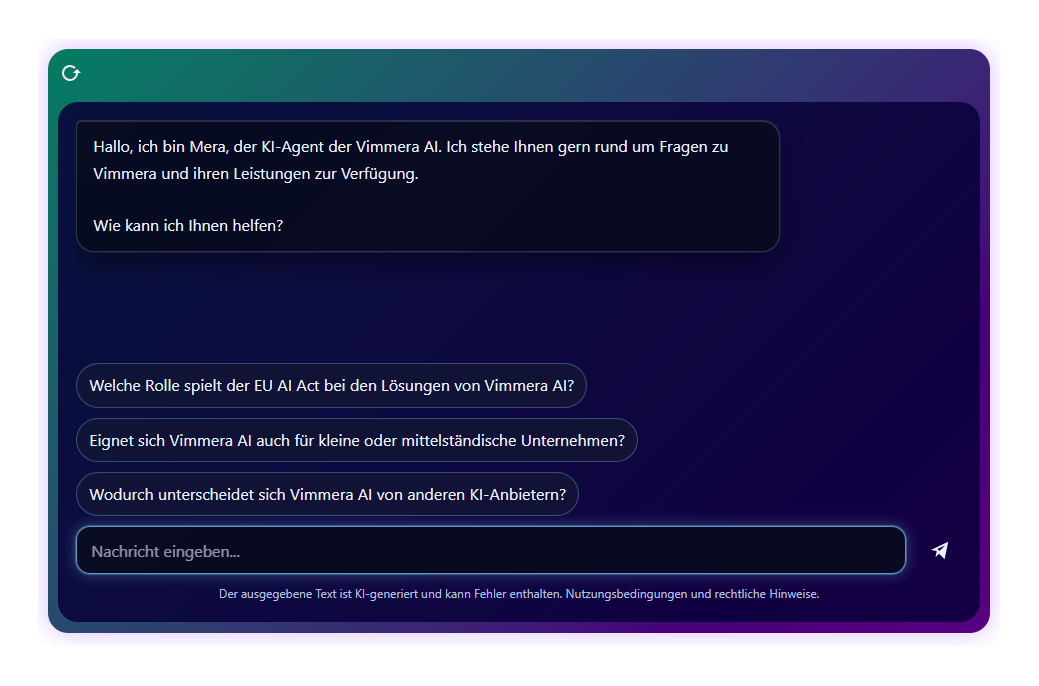
Chatbots have now become established in many companies. On websites, in customer portals, or in internal systems, they answer questions, assist with inquiries, or help make information accessible more quickly. But this is exactly where the crucial difference becomes apparent: a simple chatbot responds to known questions with predefined answers. An intelligent chatbot, on the […]
GPTs for Companies
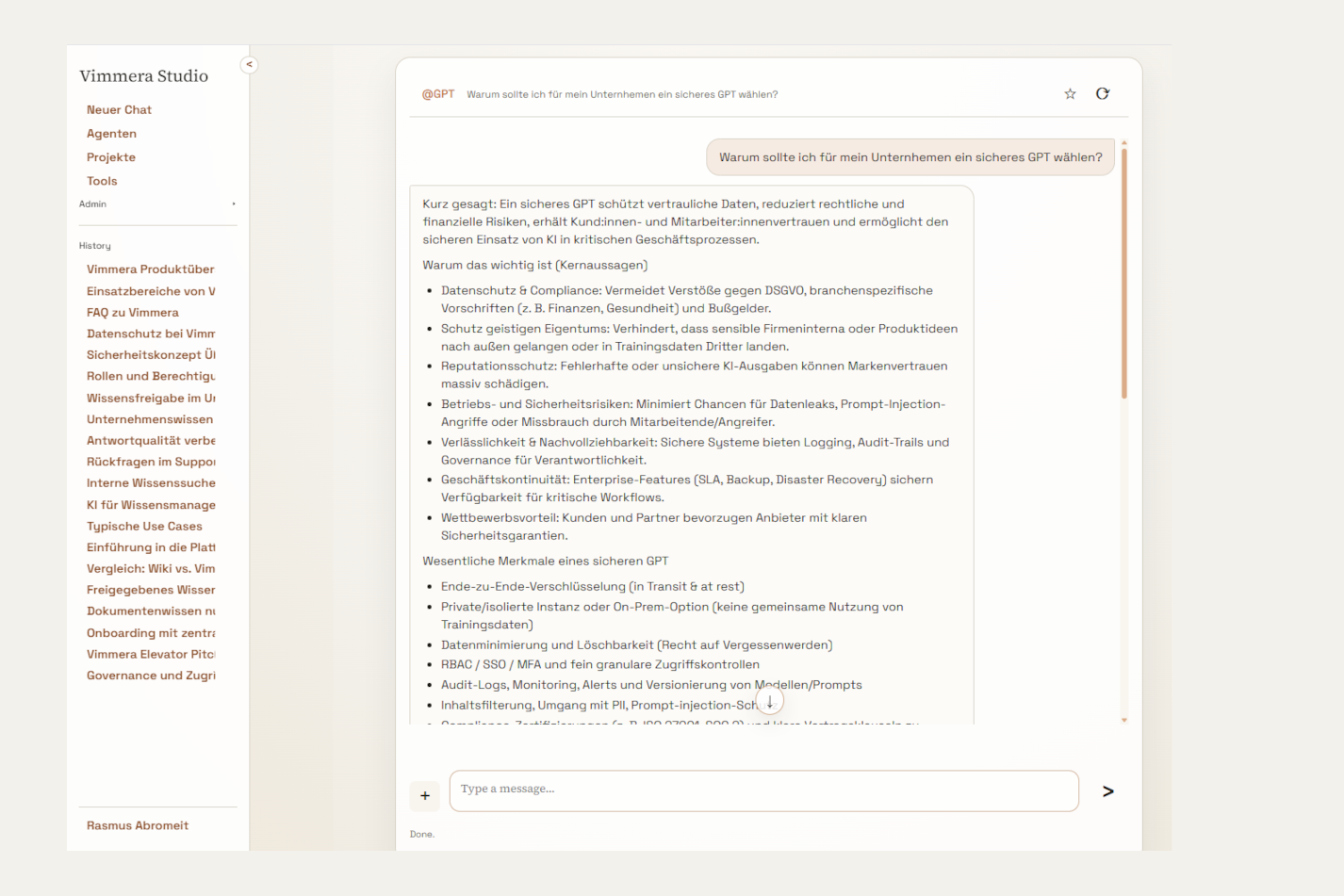
The use of AI in everyday business is increasing rapidly. Employees use tools like ChatGPT, Claude, or other systems to create texts, analyze information, summarize content, or speed up work processes. However, this is exactly where a growing risk arises: shadow AI. This refers to the use of powerful AI tools outside controlled, approved, and […]

Inspiration for Marketing
Creating marketing content has never been easier than it is today. Texts, social media posts, campaign ideas, or advertising content can now be generated in a short time with many tools. But that is precisely where the real challenge lies: if almost every application can generate content today, what is the real difference? The answer […]
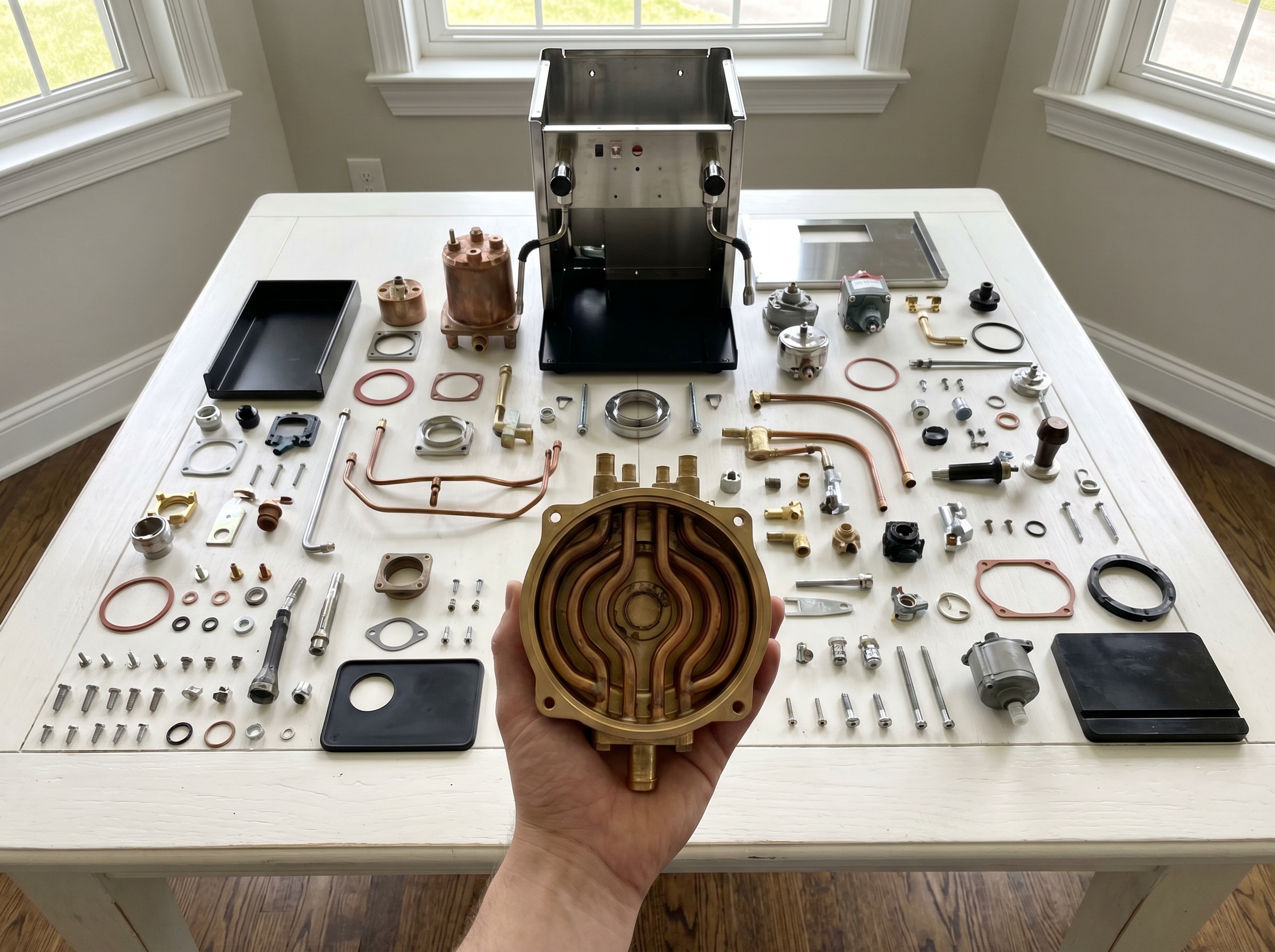
Spare parts and product search
Searching for spare parts is significantly more time-consuming in many companies than it appears at first glance. Exact designations are often missing, item numbers are not readily available, product variants differ only in details, or important information is spread across multiple systems, documents, and sources of knowledge. This is exactly where the potential of an […]
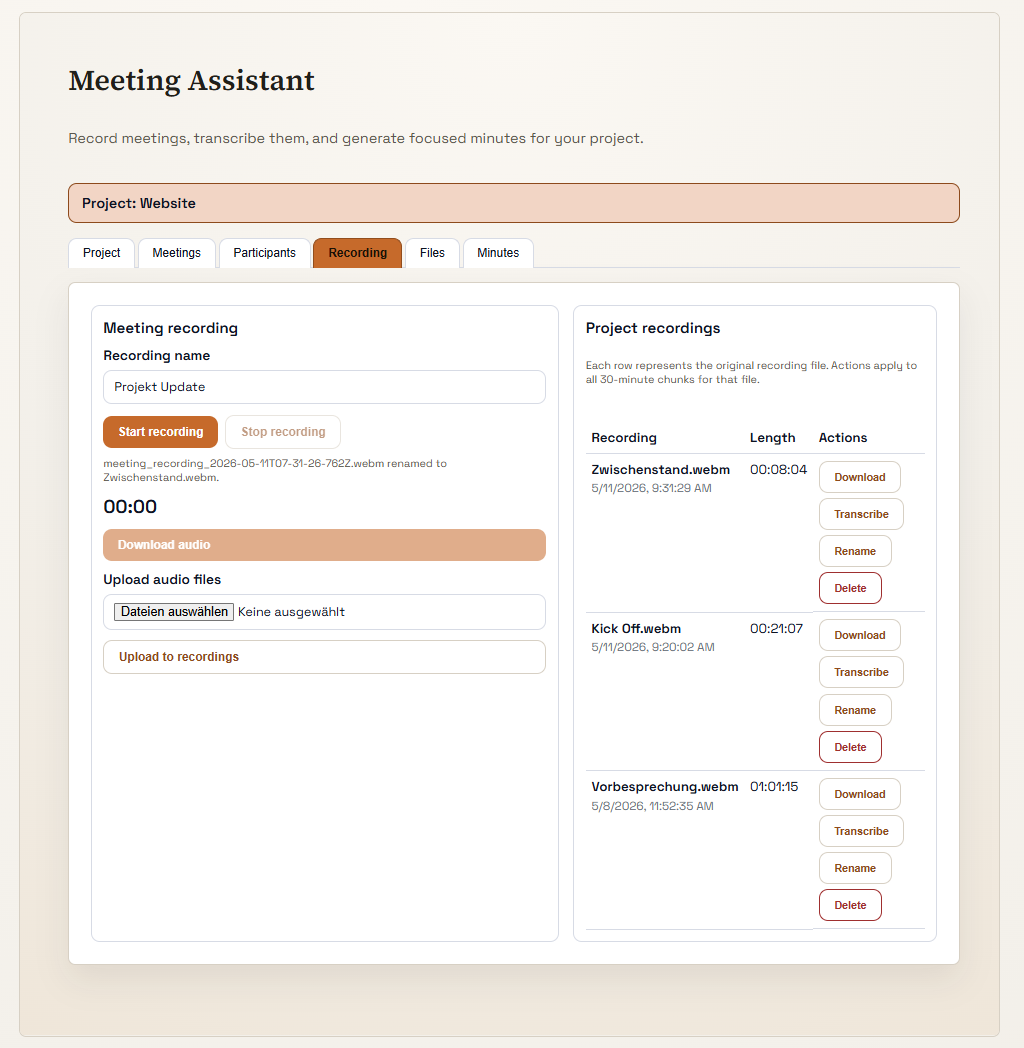
Meeting Assistant
Vimmera’s Meeting Assistant shows how AI can immediately make everyday work easier. Meetings are no longer just documented, but automatically translated into structured, usable results. The application can be used directly at the workplace via PC or laptop, as well as on the go via smartphone or tablet. The devices’ hands-free function is used for […]
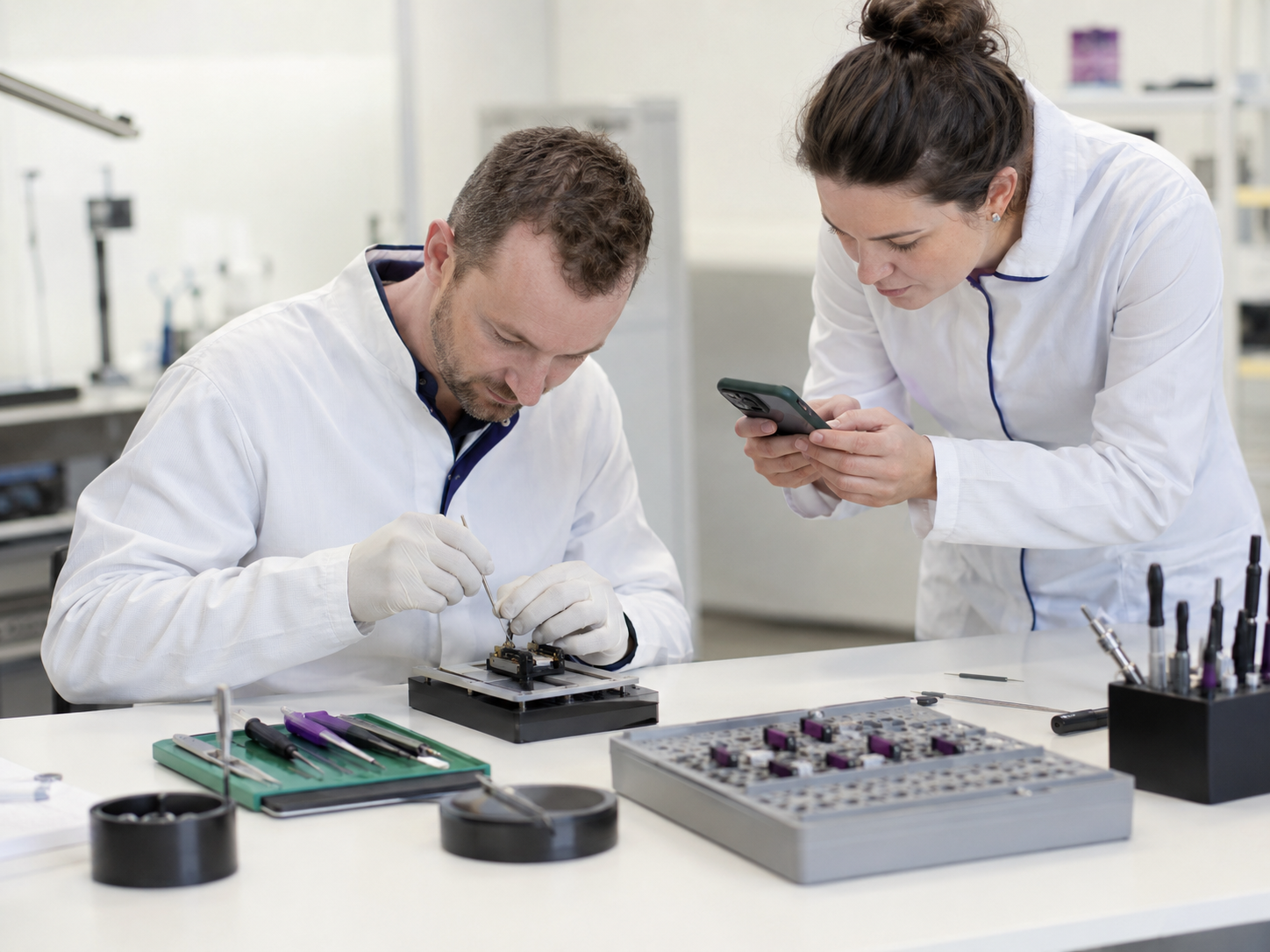
Create manuals and documentation by language
Manuals, instructions, process descriptions, and internal guidance are important for companies. They ensure that workflows remain understandable, knowledge is passed on, and employees can carry out tasks reliably. However, creating such content is often time-consuming. Processes must be described, steps documented, screenshots inserted, wording aligned, and content regularly updated. That is exactly why many manuals […]

Interactive manuals and assistance with AI
Manuals, instructions, process descriptions, and help documents are indispensable in many companies. They explain products, procedures, systems, machines, internal rules, or frequently performed work steps. But in daily use, they are often difficult to access. Information is stored in PDF files, folders, wikis, intranets, or printed documents. Anyone with a specific question has to search, […]

Make onboarding and offboarding easier with AI
When employees leave a company, valuable knowledge is often lost. Processes, workflows, responsibilities, experience, and small details from everyday work are often known only to individual people. It is precisely this knowledge that is especially important for companies. With Vimmera’s tools, this knowledge can be passed on easily, securely, and in a structured way. Employees […]

Making company knowledge accessible to everyone
Every company generates valuable knowledge every day. In documents, presentations, meetings, training sessions, projects, processes, customer inquiries, and in the minds of employees. Yet this knowledge is often not available where it is needed at that moment. Information is scattered across different systems, folders, files, or departments. Some content is difficult to find, while other […]

Interactive knowledge use with AI for meetings, training sessions, and presentations
Every day, valuable knowledge is created in companies. Decisions are made, content is explained, and important information is conveyed in meetings, training sessions, presentations, workshops, customer appointments, project discussions, and internal coordination. However, this knowledge is often only available in the moment. Participants take notes, minutes are created, presentations are filed away, and recordings are […]