Spare parts and product search
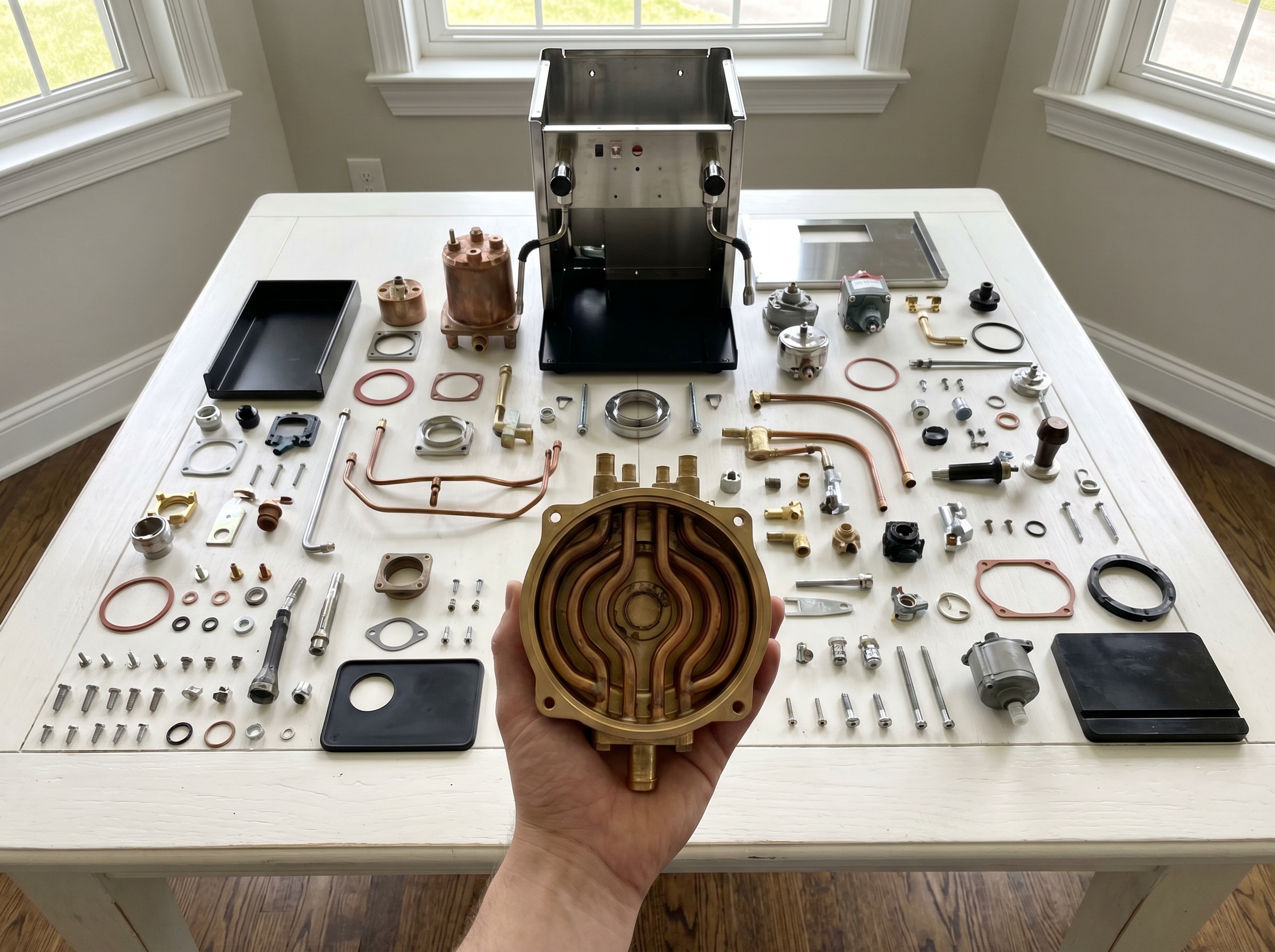
Searching for spare parts is significantly more time-consuming in many companies than it appears at first glance. Exact designations are often missing, item numbers are not readily available, product variants differ only in details, or important information is spread across multiple systems, documents, and sources of knowledge. This is exactly where the potential of an intelligent, AI-supported search becomes clear.
With Vimmera Studio, a powerful product and spare parts search can be implemented through a combination of different agents that goes far beyond traditional search forms. Instead of merely executing rigid database queries, the system accesses company knowledge from a Cortex, understands relationships, and searches semantically for the right products, variants, accessories, or spare parts.
This creates a solution that not only responds to exact inputs, but also reliably helps when information is incomplete, ambiguous, or described only in colloquial terms.
Intelligent product search instead of time-consuming manual research
In practice, the search often does not begin with a complete product number, but with a description, a photo, a voice input, or an imprecise error indication. This is often a problem for traditional systems. An intelligent solution in Vimmera Studio, on the other hand, can process various forms of input and derive the relevant information from them.
A product can, for example, be identified based on:
- spoken language
- free text input
- photos directly from a smartphone
- incomplete product details
- descriptions of features, functions, or areas of application
- existing documents, labels, or technical notes
This means the search no longer depends on the user’s knowledge of exact terms, but on the system’s ability to classify content and link it meaningfully.
Reliably and accurately assign spare parts
As soon as a product has been clearly or sufficiently precisely identified, the system can directly assign the appropriate spare parts. This is a major advantage especially where products have existed for many years in different variants, series, or versions and the matching components are difficult to determine clearly.
The AI can take into account not only known item numbers, but also understand relationships between products, assemblies, variants, and accessories. This makes it possible to find suitable spare parts faster and more reliably, even if the user does not know the exact designation of the part being sought.
This makes spare parts search:
- significantly faster
- less error-prone
- more traceable
- less dependent on individual knowledge
- easier for service, sales, specialist dealers, and end customers
Intelligently evaluate error descriptions
Particular added value arises when not only products or parts are searched for, but a specific malfunction or error is described. Users can describe symptoms, abnormalities, or faulty behavior without already knowing the underlying cause or which spare part is needed.
The AI analyzes this information, compares it with existing knowledge from the Cortex, and can derive suitable measures from it. This turns a simple search into a structured process for error analysis and solution finding.
The system can provide support with:
- the classification of error descriptions
- the analysis of possible causes
- the selection of appropriate measures for troubleshooting
- the identification of potentially affected components
- the assignment of suitable spare parts
- the provision of relevant additional information for service or ordering
This means not only is the right part found, but the entire path from problem description to possible solution is intelligently supported.
From the inquiry to the right spare part in one continuous process
The real advantage lies in the fact that the AI not only provides individual pieces of information, but can handle the entire process. From a voice input, a text input, or a photo, the relevant product is first recognized. Then suitable spare parts, accessories, or alternatives are assigned. In addition, technical notes, error patterns, recommended actions, and all information necessary for selection can be provided.
This eliminates a large part of the manual intermediate steps:
- no lengthy searching through lists, catalogs, or PDFs
- no time-consuming comparison of similar variants
- no dependence on exact search terms
- fewer follow-up questions in service and support
- faster and more reliable results
Especially for complex products, large product range structures, or internationally used systems, this is a decisive gain in efficiency.
Available 24/7 and usable in almost all languages
Another major advantage of this solution is its constant availability. The intelligent product and spare parts search is available around the clock and can be used in almost all languages. Users thus receive support at any time, regardless of opening hours, time zones, or language barriers.
This is particularly relevant for:
- international companies
- service organizations with global customers
- dealer and partner structures
- technical hotlines
- online portals and self-service areas
- end customers with individual information needs
This creates a service that is available at all times and quickly provides users with the information they actually need.
Private individuals also benefit from an intelligent search
Not only companies and specialist departments benefit from such a solution. Private individuals also often face the problem with products, accessories, or spare parts that they lack technical terms, exact product names, or suitable item numbers. An AI-supported product search can remove exactly this hurdle.
Instead of complicated research, the user receives a service that is oriented to their specific situation. They describe the problem, photograph the product, or formulate their request in their own language and receive specifically suitable results, clearly prepared and tailored to their needs.
This turns what is often a tedious search into a simple, modern, and user-friendly process even for end customers.
Typical areas of application
The intelligent spare parts and product search is suitable, among other things, for:
- technical service processes
- customer portals and self-service solutions
- spare parts sales
- product consulting
- accessory search
- error analysis in support
- specialist dealer and partner portals
- internal service and knowledge processes
- international support and sales applications
The advantages at a glance
The most important advantages of an AI-supported spare parts and product search with Vimmera Studio:
- identification of products via voice, text, or photos
- semantic search based on company knowledge from a Cortex
- reliable assignment of spare parts, accessories, and variants
- support with incomplete or unclear information
- AI-supported analysis of error descriptions
- derivation of measures for troubleshooting
- less search effort and faster results
- relief for service, support, and sales
- 24/7 availability
- use in almost all languages
- individually tailored service also for private individuals
Conclusion: Intelligent search becomes a real service
Traditional product and spare parts search is in many cases too slow, too complex, and too dependent on individual knowledge. With an intelligent solution in Vimmera Studio, this process can be fundamentally improved. Through the combination of different agents, access to knowledge from the Cortex, and the semantic processing of a wide variety of inputs, a system is created that recognizes products, assigns spare parts, analyzes errors, and can derive suitable measures.
This turns a simple search into a continuous, intelligent service process that guides users reliably, quickly, and appropriately to the right product, spare part, or accessory – at any time, in almost any language, and precisely tailored to the respective need.
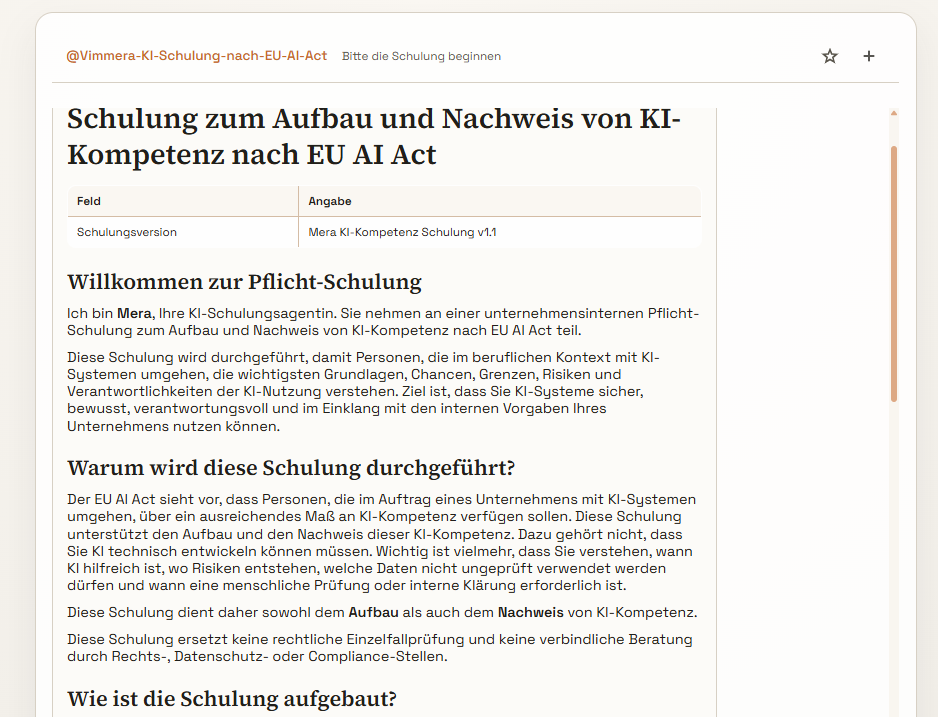
AI training: learning when it really suits you
Training is important. At the same time, it is often difficult to organize in day-to-day business. Dates have to be coordinated, employees are not always available at the same time, content is understood at different speeds, and follow-up questions often only arise later in the work process. With AI-supported training, continuing education becomes much more […]
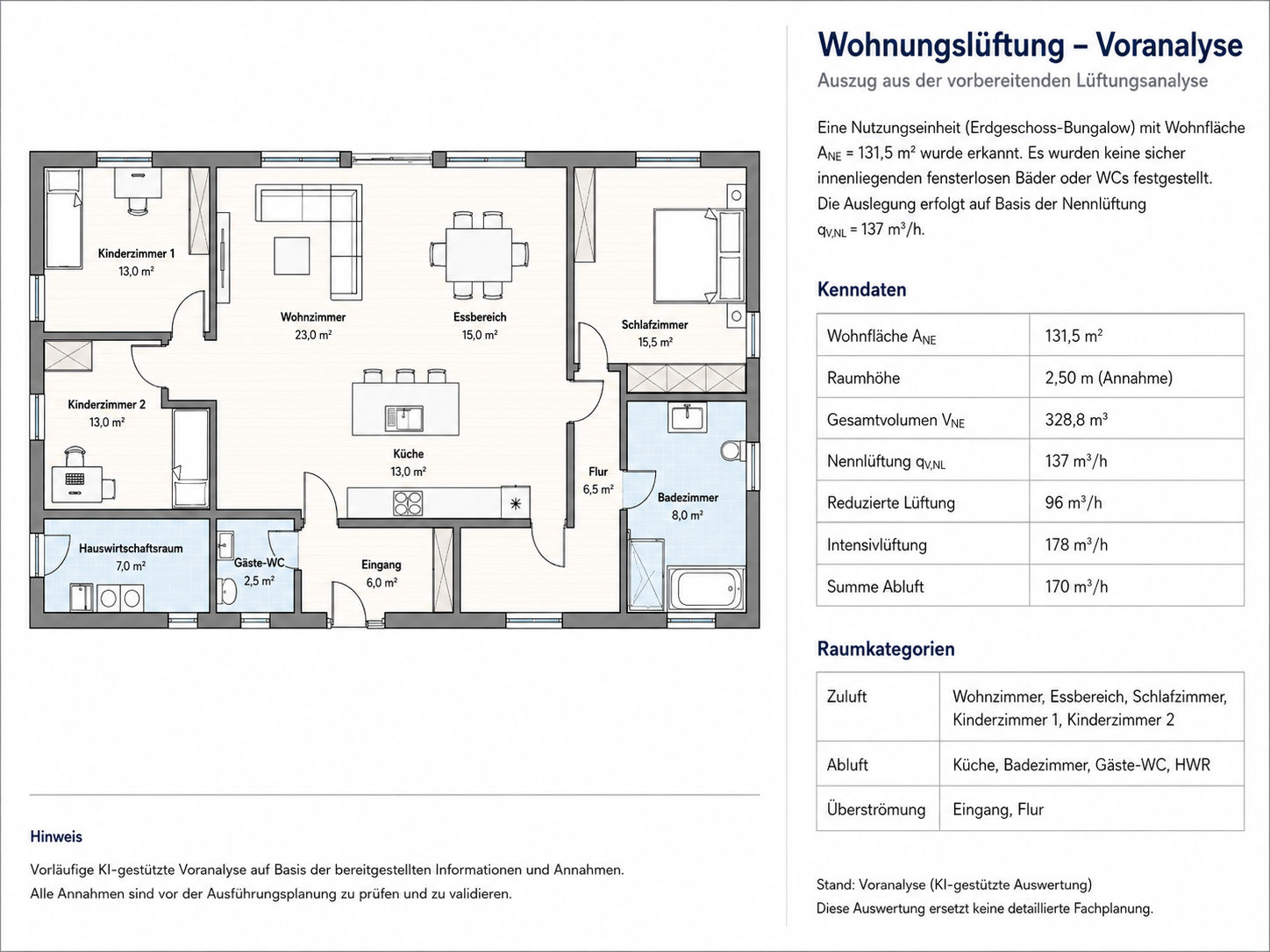
Technical planning
The introduction of an AI-powered planning assistant for residential ventilation units makes it possible to carry out technical calculations and planning processes in residential construction much more efficiently, in a more structured way, and with greater traceability. The goal is to digitally support the entire planning workflow, from the initial floor plan recognition through the […]

Personal AI assistants
Another special use case are personal AI assistants for individual people within the company. These are individually customized AI agents that not only support general tasks, but can be specifically tailored to a particular person’s way of working, areas of responsibility, and communication style. Such a personal assistant can access approved company knowledge, for example […]
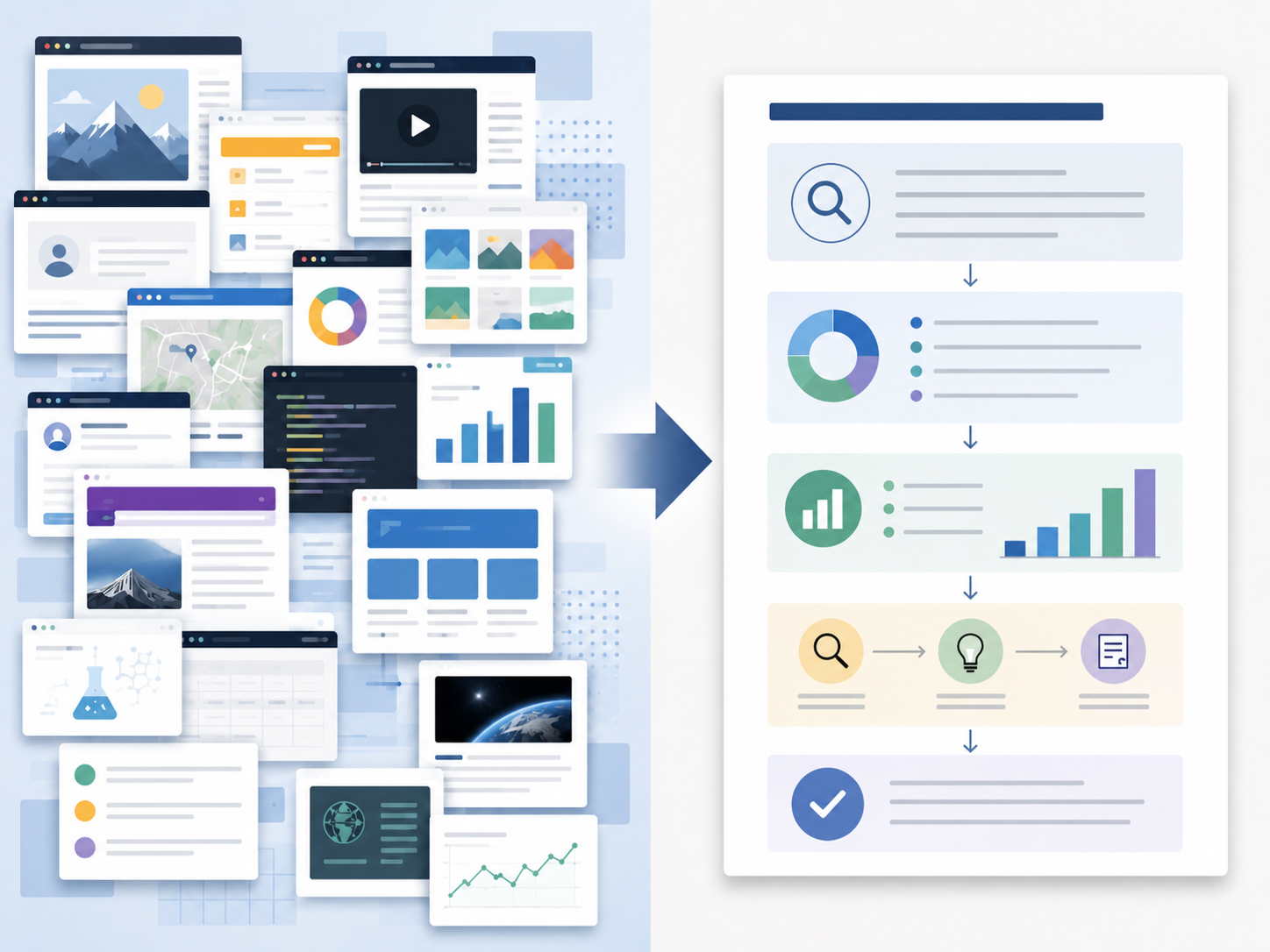
AI web search and research
Another useful application area is AI-powered web search and research assistants. They help companies find information from the internet much faster, more systematically, and more purposefully than with a traditional manual search. Ordinary internet searches are usually carried out via individual search providers such as Google. Users enter a search query, review the displayed results, […]
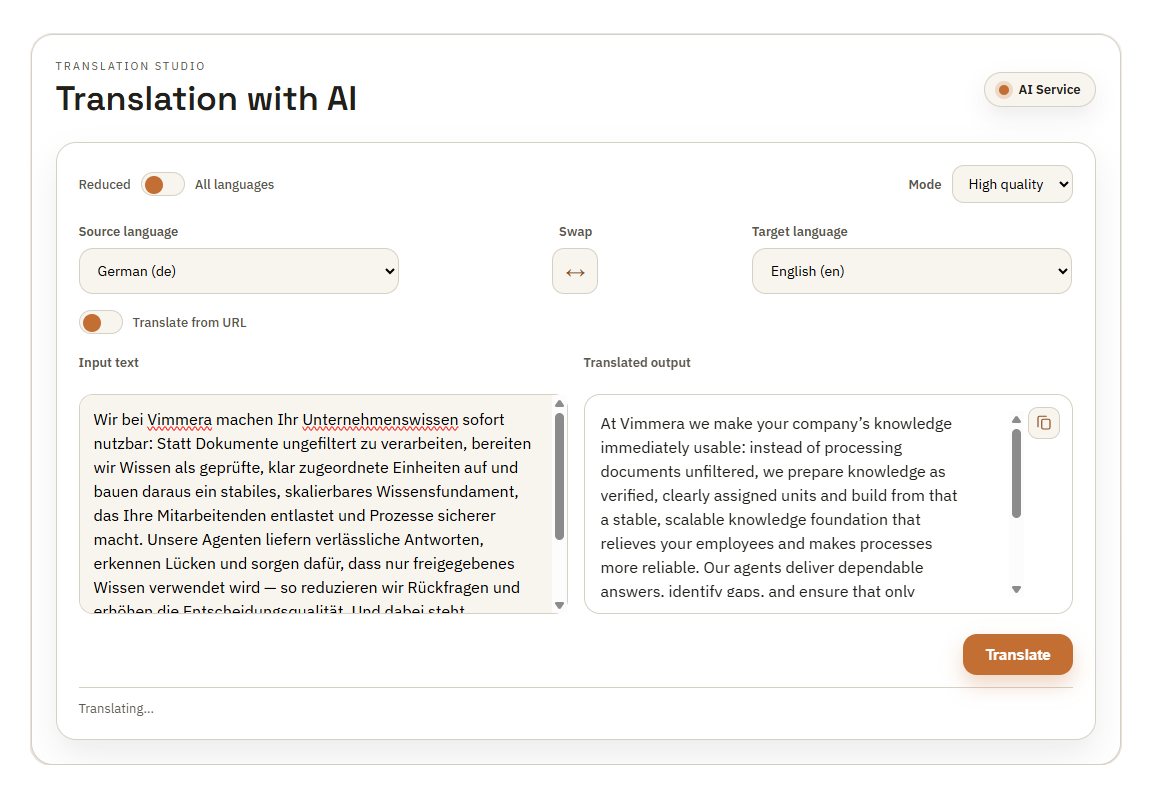
Translation tools
Today, almost any tool can translate texts into other languages. The real difference becomes apparent, however, when content needs to be technically accurate, linguistically natural, and truly usable in a business context. This is exactly where our translation tools come in. Our solution does not just translate any texts, documents, meetings, and conversational content into […]
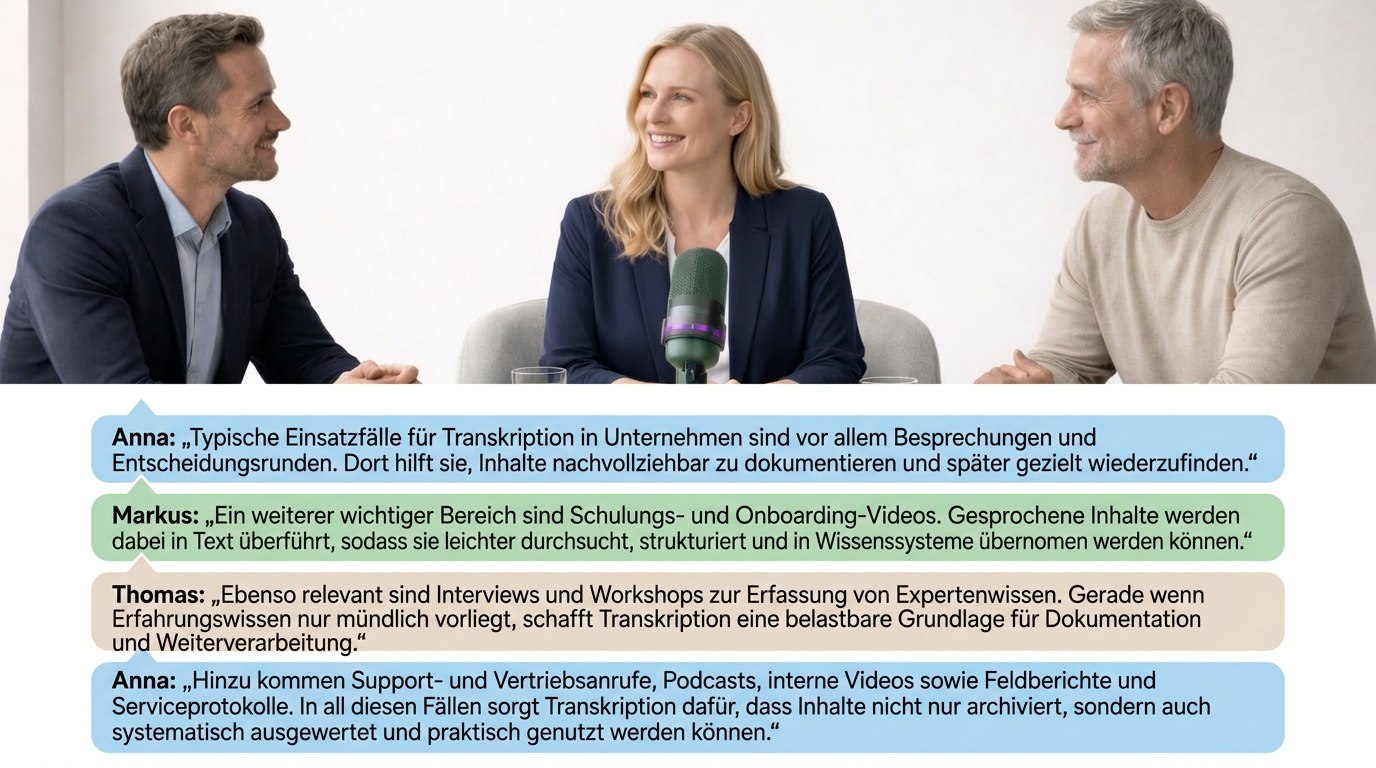
Speech to text
Converting speech into text is technically no longer a feat today. Transcribing conversations, voice notes, or meetings has almost become standard by now. The real difference therefore lies not in merely writing things down, but in understanding, structuring, assigning, and intelligently processing the content further. In addition, many solutions quickly reach their limits in practice: […]
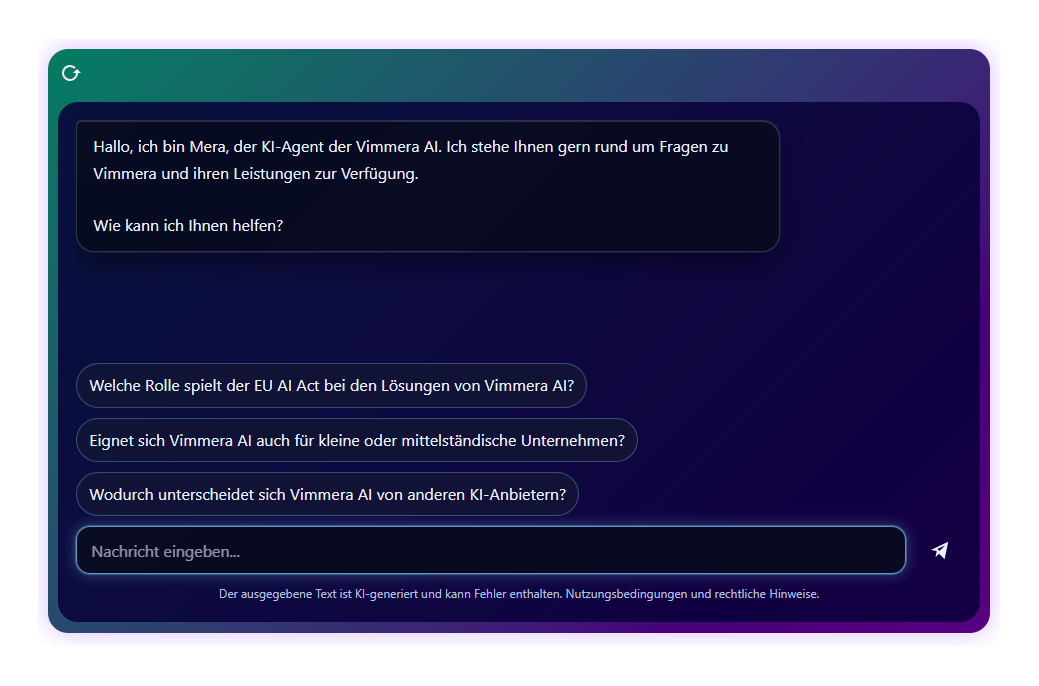
Chatbots for businesses
Chatbots have now become established in many companies. On websites, in customer portals, or in internal systems, they answer questions, assist with inquiries, or help make information accessible more quickly. But this is exactly where the crucial difference becomes apparent: a simple chatbot responds to known questions with predefined answers. An intelligent chatbot, on the […]
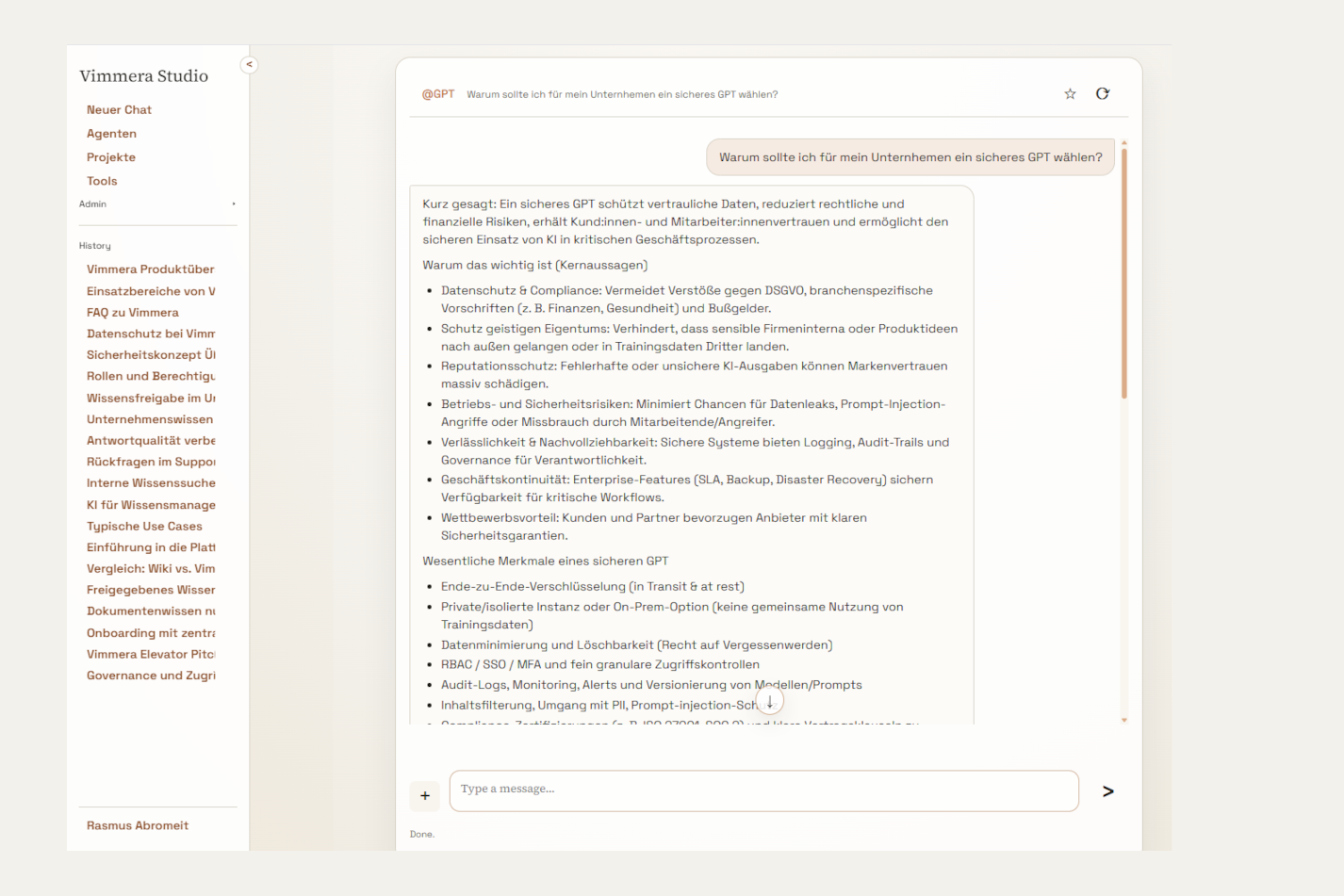
GPTs for Companies
The use of AI in everyday business is increasing rapidly. Employees use tools like ChatGPT, Claude, or other systems to create texts, analyze information, summarize content, or speed up work processes. However, this is exactly where a growing risk arises: shadow AI. This refers to the use of powerful AI tools outside controlled, approved, and […]

Inspiration for Marketing
Creating marketing content has never been easier than it is today. Texts, social media posts, campaign ideas, or advertising content can now be generated in a short time with many tools. But that is precisely where the real challenge lies: if almost every application can generate content today, what is the real difference? The answer […]
Spare parts and product search
Searching for spare parts is significantly more time-consuming in many companies than it appears at first glance. Exact designations are often missing, item numbers are not readily available, product variants differ only in details, or important information is spread across multiple systems, documents, and sources of knowledge. This is exactly where the potential of an […]
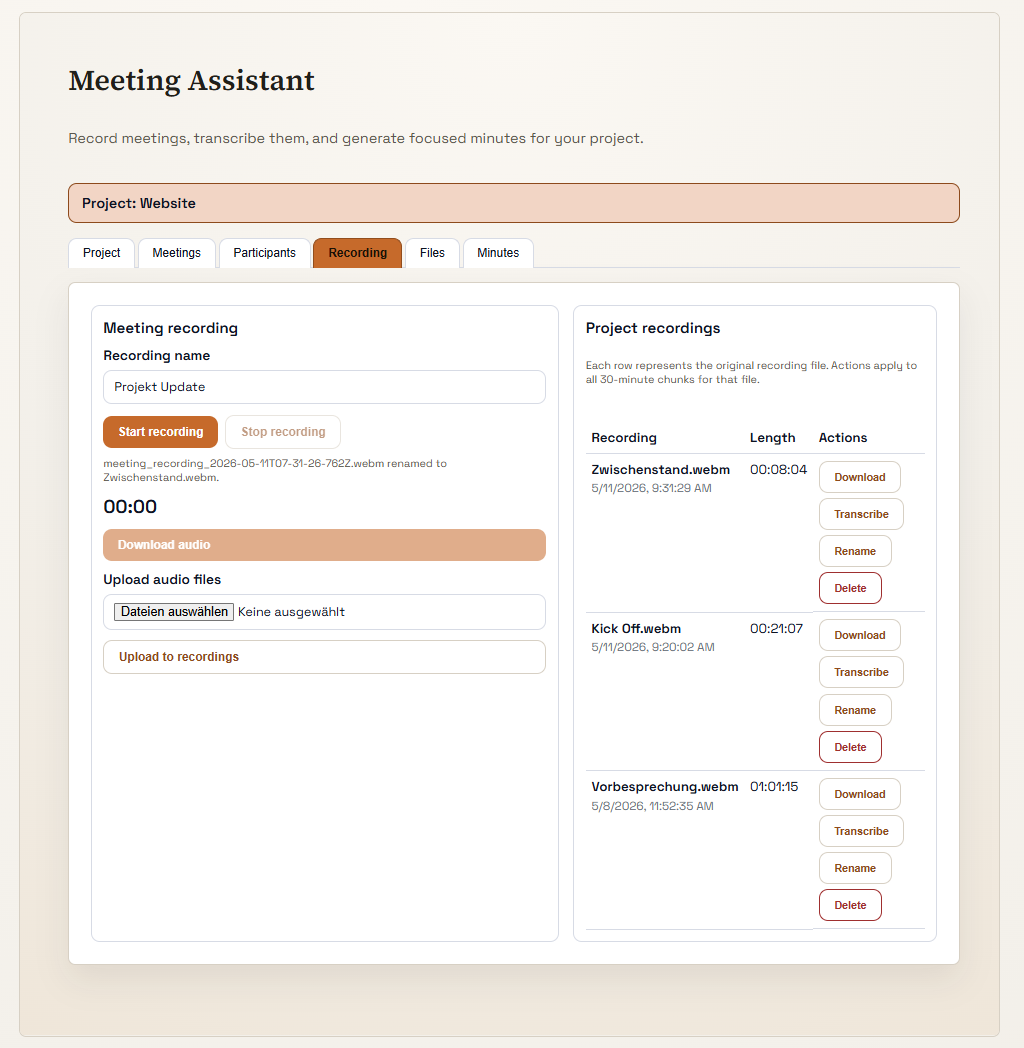
Meeting Assistant
Vimmera’s Meeting Assistant shows how AI can immediately make everyday work easier. Meetings are no longer just documented, but automatically translated into structured, usable results. The application can be used directly at the workplace via PC or laptop, as well as on the go via smartphone or tablet. The devices’ hands-free function is used for […]

Create manuals and documentation by language
Manuals, instructions, process descriptions, and internal guidance are important for companies. They ensure that workflows remain understandable, knowledge is passed on, and employees can carry out tasks reliably. However, creating such content is often time-consuming. Processes must be described, steps documented, screenshots inserted, wording aligned, and content regularly updated. That is exactly why many manuals […]

Interactive manuals and assistance with AI
Manuals, instructions, process descriptions, and help documents are indispensable in many companies. They explain products, procedures, systems, machines, internal rules, or frequently performed work steps. But in daily use, they are often difficult to access. Information is stored in PDF files, folders, wikis, intranets, or printed documents. Anyone with a specific question has to search, […]

Make onboarding and offboarding easier with AI
When employees leave a company, valuable knowledge is often lost. Processes, workflows, responsibilities, experience, and small details from everyday work are often known only to individual people. It is precisely this knowledge that is especially important for companies. With Vimmera’s tools, this knowledge can be passed on easily, securely, and in a structured way. Employees […]

Making company knowledge accessible to everyone
Every company generates valuable knowledge every day. In documents, presentations, meetings, training sessions, projects, processes, customer inquiries, and in the minds of employees. Yet this knowledge is often not available where it is needed at that moment. Information is scattered across different systems, folders, files, or departments. Some content is difficult to find, while other […]

Interactive knowledge use with AI for meetings, training sessions, and presentations
Every day, valuable knowledge is created in companies. Decisions are made, content is explained, and important information is conveyed in meetings, training sessions, presentations, workshops, customer appointments, project discussions, and internal coordination. However, this knowledge is often only available in the moment. Participants take notes, minutes are created, presentations are filed away, and recordings are […]