The GDPR General Data Protection Regulation
Data protection as a basic prerequisite for the use of AI
The General Data Protection Regulation (GDPR) is the central data protection law of the European Union. It regulates how personal data may be collected, processed, stored, and used. For companies that use AI, the GDPR is particularly relevant, because AI systems often work with data that is directly or indirectly related to people – such as customer data, employee data, communication content, or usage information.
The use of AI is therefore always also a data protection issue. Anyone who does not work cleanly here risks not only fines, but also a loss of trust among customers, employees, and partners.

What does the GDPR mean in the context of AI?
The GDPR requires that personal data may only be processed for clearly defined, lawful purposes. They must be adequately protected, correct, up-to-date, and limited to what is necessary. Data subjects also have rights to information, correction, deletion, and objection.
For AI systems, this means:
Data cannot simply be “poured into a model.” It must be clear where they come from, what they are used for, how long they are stored, and who may access them. It must also remain traceable how decisions or outputs are made when they involve personal data.
AI applications that generate or influence evaluations, profiles, or decisions about people are particularly sensitive. Here, there are increased requirements for transparency, control, and human verifiability.
Why is the GDPR so important?
The GDPR protects the fundamental rights of people in an increasingly data-driven world. It ensures that companies handle personal information responsibly, prevent misuse, and create transparency.
For companies, it is also an important regulatory framework. Those who work in compliance with the GDPR minimize legal risks and strengthen the trust of customers and employees. Especially when using AI, this trust is crucial.
What do companies need to consider?
Companies must always know which personal data is processed in their AI systems. This includes, among other things:
- Origin of the data
- Purpose of processing
- Storage locations
- Access rights
- Retention periods
- Disclosure to third parties or external systems
In addition, technical and organizational measures must be in place to protect, anonymize, or delete data when necessary.
What does this mean for Vimmera AI and its customers?
Vimmera AI develops its AI systems to be GDPR-compliant from the very beginning. Our architecture with controlled data flows, clear roles, encryption, logging, and the ability to operate systems completely locally or in isolated environments is designed precisely for this purpose.
For our customers, this means: You can use AI without endangering data protection. You always retain control over which personal data is processed, where it is located, and how it is protected.
In short:
The GDPR turns AI into a responsible approach to data – and Vimmera AI ensures that your company complies with this framework safely, transparently, and in a future-proof manner.

Responsibility & Reliability
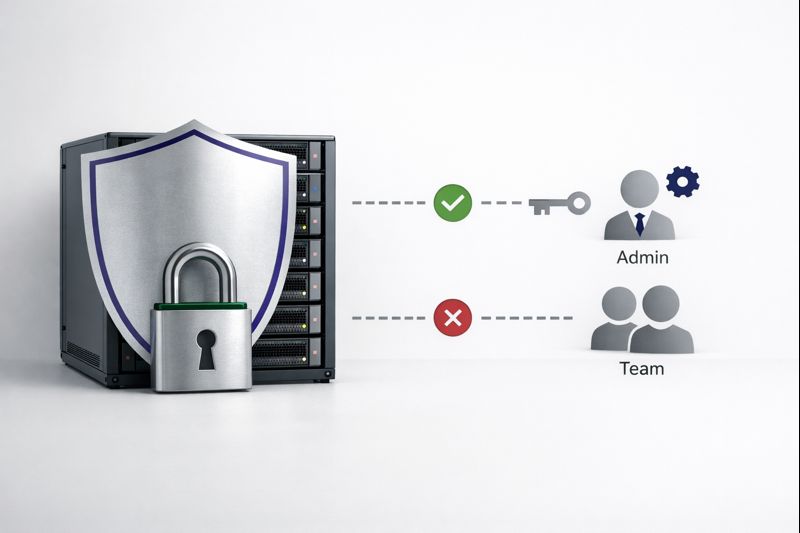
Security & Data Protection
The use of AI in companies requires a security and data protection concept that fits the real processes, roles, and sensitive information of an organization. This aspect is often underestimated or considered too late in practice. Without clearly defined rules for access rights, data storage, and operating models, AI can quickly become a risk, especially […]

Independence & future security
AI should strengthen companies in the long term and not just deliver short-term effects. Many current offerings appear attractive at first glance, but are not sustainably scalable or only adaptable to a limited extent. Organizations need solutions that will also meet future requirements and can be further developed. Vimmera AI designs systems so that they […]

Data security
Data security is not an add-on at Vimmera AI, but a central foundation of every solution. Because AI can only be used sensibly and responsibly if it is always clear where data is stored, who is allowed to access it, and what happens to it.

Communication security
AI systems work with one of a company’s most valuable assets: its knowledge, its data, and its business relationships. That is precisely why security at Vimmera AI is not a technical detail, but a fundamental prerequisite for any collaboration. Our solutions are designed to be not only powerful, but also controllable, traceable, and protected. This […]

Confidential email communication with Vimmera AI
The protection of confidential information does not end at the system boundary of our AI solutions at Vimmera AI. Communication with prospects, customers, and partners must also be secure, protected, and trustworthy. That is why Vimmera AI offers complete end-to-end encryption for all email mailboxes. Every email mailbox from Vimmera AI is set up for […]
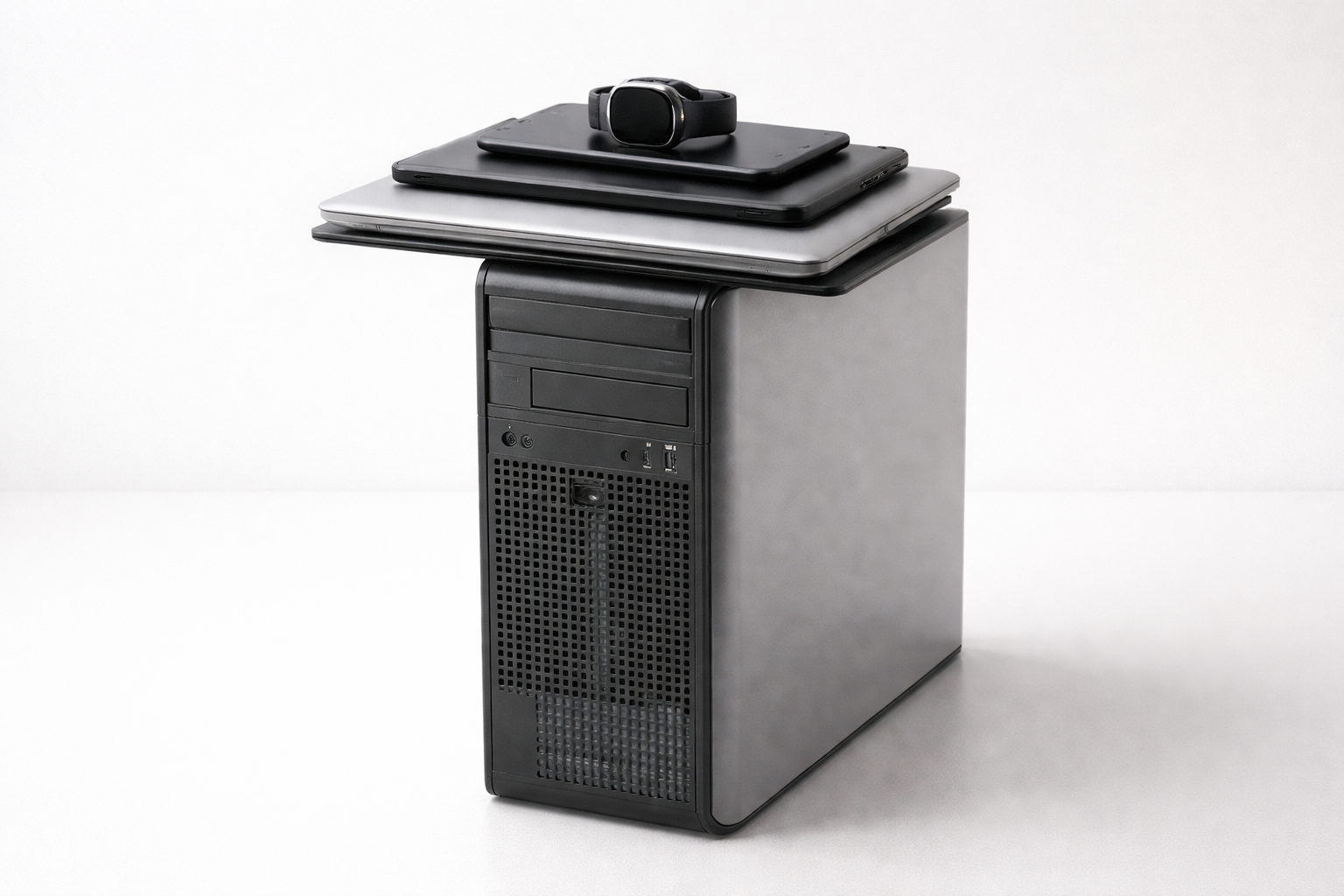
Devices & Access
AI wherever you work The solutions from Vimmera AI are designed to be as simple and flexible as possible for users to access. Since most applications are browser-based, no special software installation is required and the performance of the end device generally does not matter. Whether smartphone, tablet, laptop or desktop PC – wherever there […]

User management, roles and access rights
In order for AI systems to be used safely, clearly, and in a controlled manner, clean user management is indispensable. That’s why Vimmera AI’s solutions are designed so that access, roles, and permissions can be precisely tailored to the structure of your company. Protected login areas can be set up for each system. Users receive […]

Integrated security systems at Vimmera AI
The secure operation of AI systems requires far more than a strong password or a firewall. That’s why Vimmera AI relies on a multi-layered security concept that protects data, systems, and the AI itself – from unauthorized access, manipulation, and misuse. These security mechanisms are not an optional extra, but an integral part of our […]
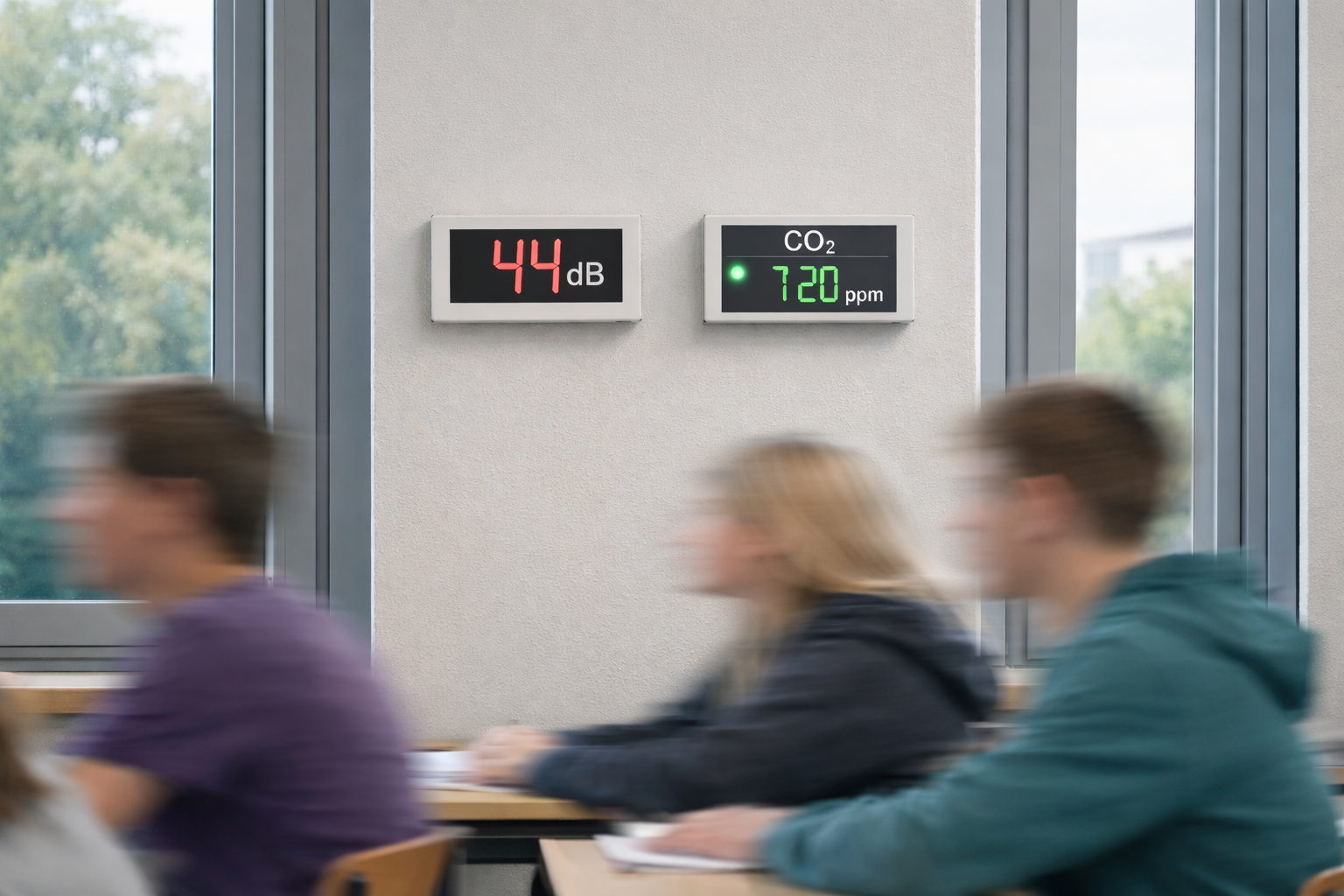
Protocols, logs and traceability at Vimmera AI
In professional AI systems, protocols and log files are indispensable. They ensure that systems remain transparent, verifiable, and controllable. That’s why Vimmera AI deliberately relies on comprehensive but responsibly designed logging. Logs and protocols make it visible how a system is used, how it reacts, where there are problems, and how performance, quality, and acceptance […]

No lifelong commitment
Your independence remains preserved One of the central questions with any technological platform is:Am I permanently tied to this provider? With Vimmera AI, the answer is clear: No. Your data, your knowledge, and your established structures always remain your property. This applies to your company knowledge, your documents, your knowledge models, your links, your process […]