The EU AI Act
The new legal framework for the use of AI in Europe
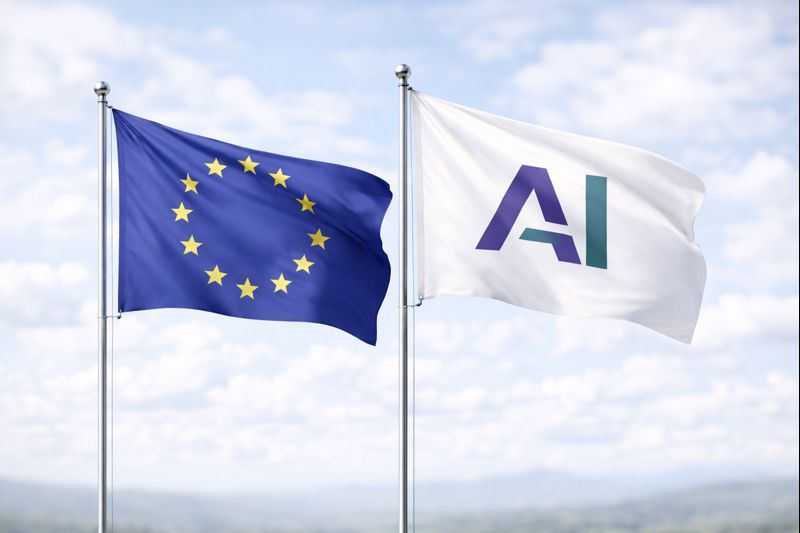
The EU AI Act is the world’s first comprehensive legal regulation for artificial intelligence. With it, the European Union creates a binding legal framework for how AI systems may be developed, provided, and used. The goal is to enable innovation – but at the same time to protect people, companies, and society from risks, misuse, and harm caused by AI.
For companies, the EU AI Act means above all one thing: The use of AI will no longer be just a technical or economic decision, but also a legal and organizational responsibility.
What does the EU AI Act regulate?
The EU AI Act classifies AI systems according to their risk to people and society. The higher the risk, the stricter the requirements.
Certain applications are completely prohibited, such as AI systems that manipulate people, monitor them unlawfully, or create social ratings. Other systems are considered high-risk AI, for example when they influence decisions in sensitive areas such as personnel, lending, education, security, or critical infrastructures. These systems are subject to particularly strict requirements for transparency, traceability, data quality, documentation, and human oversight.
AI systems with lower risk are also subject to certain obligations, such as transparency or informing users when they interact with an AI.
Why is the EU AI Act so important?
AI is increasingly penetrating economic and social processes. It influences decisions, evaluations, processes, and access to opportunities. Without clear rules, there is a risk of discrimination, lack of transparency, legal violations, and loss of trust.
The EU AI Act creates binding guidelines for the first time. It ensures that companies know what is allowed, what is not – and what obligations they have. For customers, employees, and citizens, this means more protection, more transparency, and more security in dealing with AI.
At the same time, the EU AI Act protects companies from incalculable risks: Those who comply with the rules can use AI with legal certainty, without later being confronted with fines, liability issues, or reputational damage.
What do companies need to consider?
Companies that use AI or AI-based systems will in the future need to know exactly what type of AI they are using, what it is used for, and what risks are associated with it.
Depending on the risk class, the following points, among others, must be ensured:
- clean and suitable data as a basis for the AI
- traceable functionality and documentation
- clear responsibilities
- human oversight capabilities
- security and protection measures against misconduct
- transparent information for users and those affected
AI must not simply “run”, but must remain controllable, explainable, and verifiable.
What does this mean for Vimmera AI and its customers?
Vimmera AI develops its systems from the outset to meet the requirements of the EU AI Act. Our architecture with verified knowledge bases, controlled data flows, clear roles, security mechanisms, and traceability is precisely designed to implement the legal requirements.
For our customers, this means: You can use AI without incurring legal risks. You receive not only a technically powerful solution, but one that is also regulatory, organizationally, and ethically responsible.
In short:
The EU AI Act turns AI into a regulated, trustworthy tool – and Vimmera AI ensures that your company uses this framework safely and in a future-proof way.

Responsibility & Reliability
Security & Data Protection
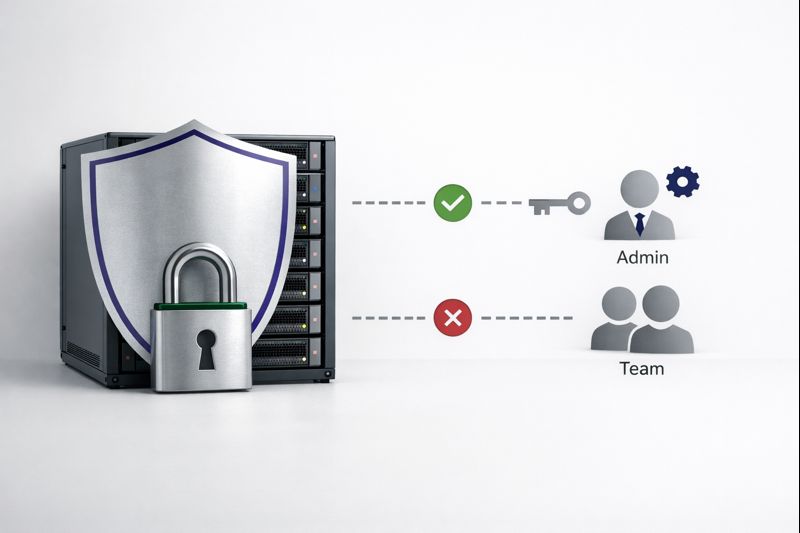
The use of AI in companies requires a security and data protection concept that fits the real processes, roles, and sensitive information of an organization. This aspect is often underestimated or considered too late in practice. Without clearly defined rules for access rights, data storage, and operating models, AI can quickly become a risk, especially […]

Independence & future security
AI should strengthen companies in the long term and not just deliver short-term effects. Many current offerings appear attractive at first glance, but are not sustainably scalable or only adaptable to a limited extent. Organizations need solutions that will also meet future requirements and can be further developed. Vimmera AI designs systems so that they […]

Data security
Data security is not an add-on at Vimmera AI, but a central foundation of every solution. Because AI can only be used sensibly and responsibly if it is always clear where data is stored, who is allowed to access it, and what happens to it.

Communication security
AI systems work with one of a company’s most valuable assets: its knowledge, its data, and its business relationships. That is precisely why security at Vimmera AI is not a technical detail, but a fundamental prerequisite for any collaboration. Our solutions are designed to be not only powerful, but also controllable, traceable, and protected. This […]

Confidential email communication with Vimmera AI
The protection of confidential information does not end at the system boundary of our AI solutions at Vimmera AI. Communication with prospects, customers, and partners must also be secure, protected, and trustworthy. That is why Vimmera AI offers complete end-to-end encryption for all email mailboxes. Every email mailbox from Vimmera AI is set up for […]
Devices & Access
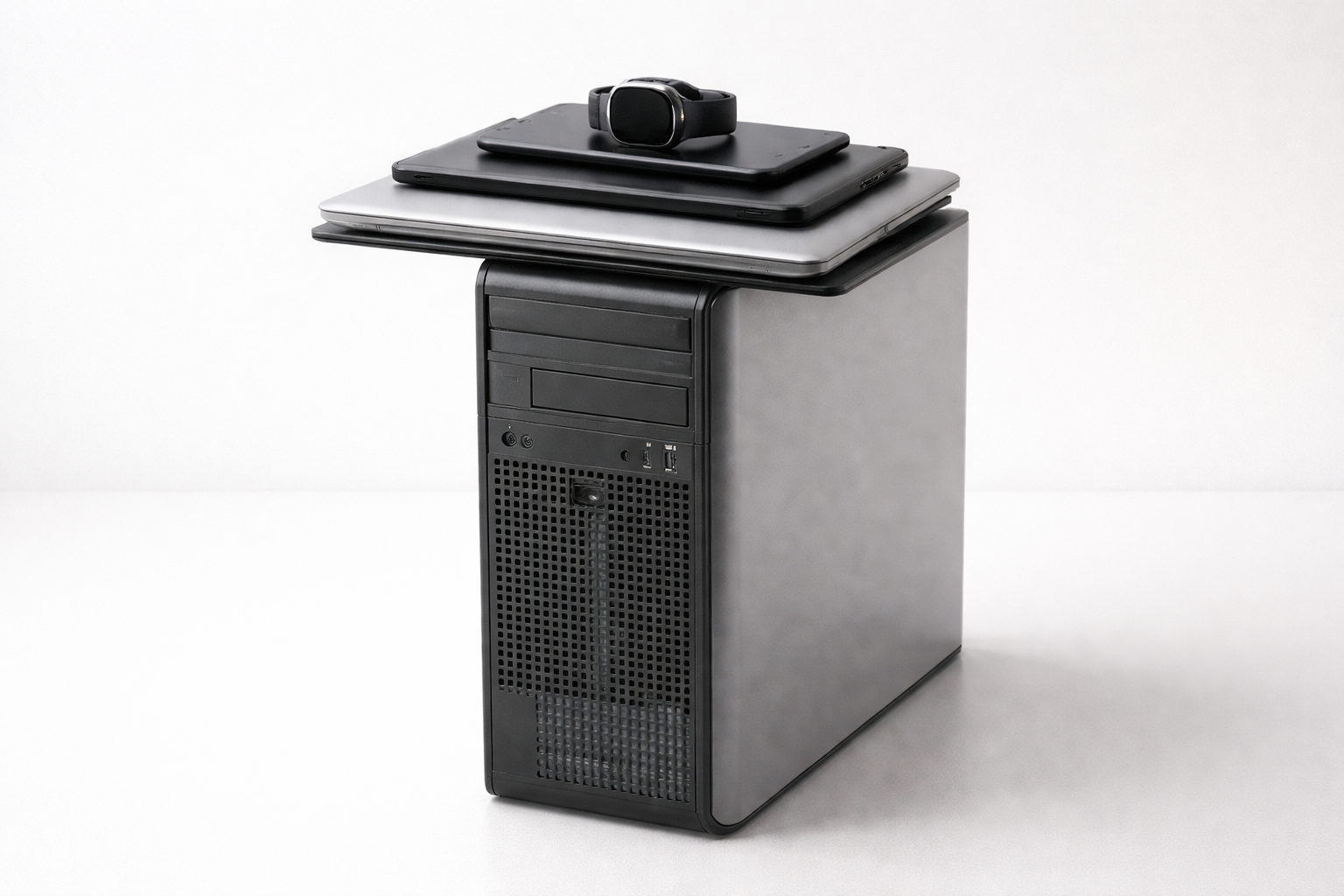
AI wherever you work The solutions from Vimmera AI are designed to be as simple and flexible as possible for users to access. Since most applications are browser-based, no special software installation is required and the performance of the end device generally does not matter. Whether smartphone, tablet, laptop or desktop PC – wherever there […]

User management, roles and access rights
In order for AI systems to be used safely, clearly, and in a controlled manner, clean user management is indispensable. That’s why Vimmera AI’s solutions are designed so that access, roles, and permissions can be precisely tailored to the structure of your company. Protected login areas can be set up for each system. Users receive […]

Integrated security systems at Vimmera AI
The secure operation of AI systems requires far more than a strong password or a firewall. That’s why Vimmera AI relies on a multi-layered security concept that protects data, systems, and the AI itself – from unauthorized access, manipulation, and misuse. These security mechanisms are not an optional extra, but an integral part of our […]
Protocols, logs and traceability at Vimmera AI
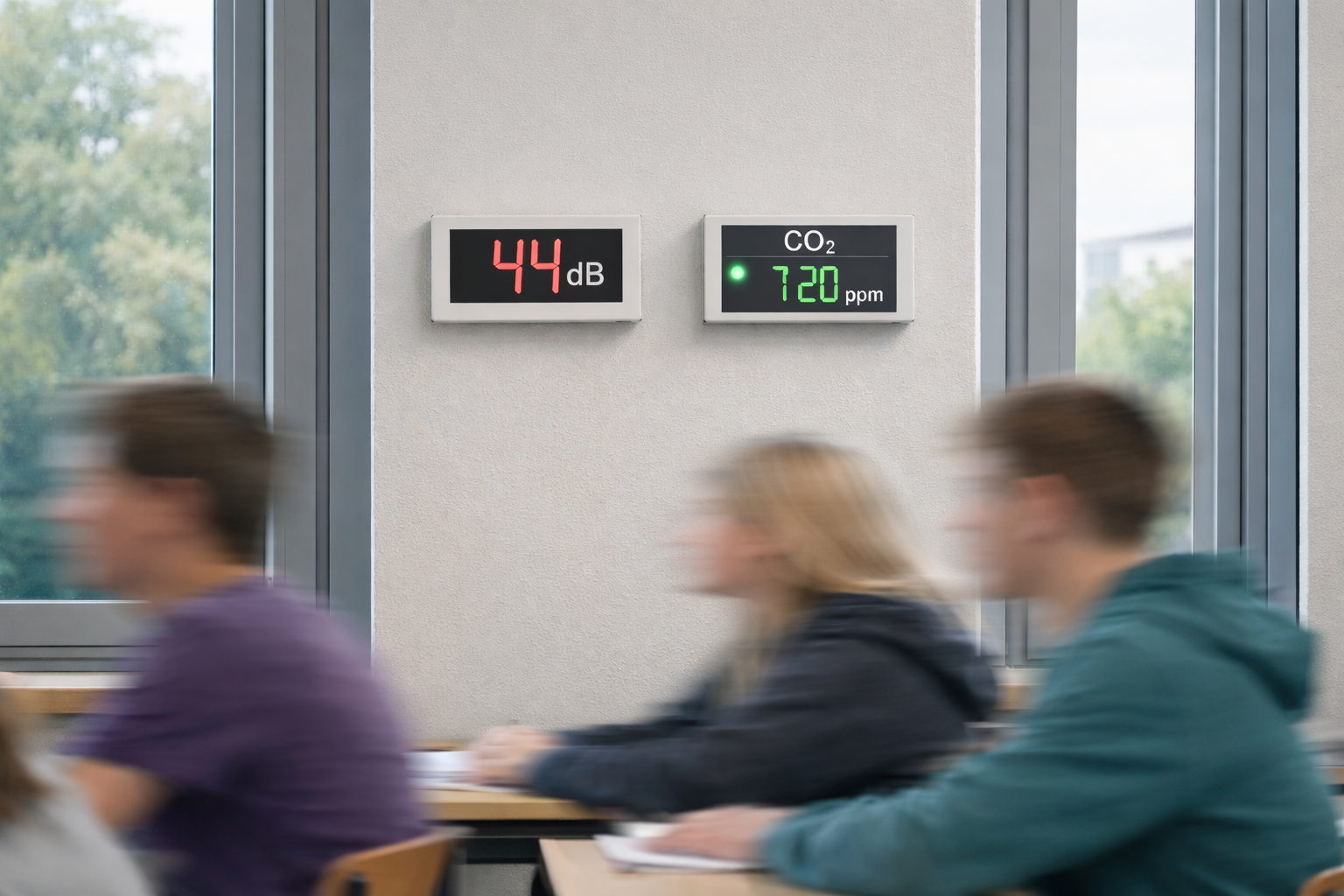
In professional AI systems, protocols and log files are indispensable. They ensure that systems remain transparent, verifiable, and controllable. That’s why Vimmera AI deliberately relies on comprehensive but responsibly designed logging. Logs and protocols make it visible how a system is used, how it reacts, where there are problems, and how performance, quality, and acceptance […]

No lifelong commitment
Your independence remains preserved One of the central questions with any technological platform is:Am I permanently tied to this provider? With Vimmera AI, the answer is clear: No. Your data, your knowledge, and your established structures always remain your property. This applies to your company knowledge, your documents, your knowledge models, your links, your process […]